Text Us

Financial Management ERP Software Solutions

Your finance teams lose weeks to spreadsheets that disagree with each other. 8ration builds a financial management ERP system that manages the general ledger, billing, tax and reports in a single place. Ten years of enterprise delivery and 2,500 global clients stand behind each build we ship.

Financial management ERP system dashboard with ledger and reports
  • 100+Software Professionals
  • 2,500+Global Clients
  • 10+Years In Enterprise Delivery
  • 5 StarRating On Clutch
Finance team reviewing live reports in a financial ERP system

What Is A Financial Management ERP System

Your bookkeepers manage the general ledger. Your sales lead quotes a different number in the same meeting. Both read different information. A financial management ERP platform settles that argument by recording each transaction once. Billing posts straight to the general ledger in real-time. Tax treatment applies at entry. Management reports then read live financial data rather than last week's export.

Financial management in ERP covers the processes your finance operations already run each month. Record a payable. Allocate a cost. Reconcile a bank feed. Produce statements an auditor will accept. Those processes share one set of financial data, so the numbers agree across entities, currencies and periods. Nobody rebuilds the same management report twice. Explore how the pieces fit together.

Financial Management ERP Software Solutions We Offer

8ration builds and extends financial management ERP systems for businesses that outgrew their bookkeeping tools. Growing businesses hit that wall at a predictable point. Each engagement starts with your close calendar, your chart of accounts and the management reports your board expects each quarter. Explore the solutions below and see which one fits your business.

  • 01

    Custom Financial ERP Development

    We design and build your platform from scratch, when packaged products force good processes into the wrong shape. Your teams get the general ledger, payables, receivables and management reports they use daily. No unused technologies clutter the screen or slow your operations down.

  • 02

    Financial Management ERP Module Development

    Your current systems may manage operations well, and finance badly. We build a financial management ERP module that plugs into those systems and takes over accounting, controls and management reporting. Your business keeps the operations systems it knows, and gains the financials it lacked.

  • 03

    Financial Close ERP Integration Platforms

    Month-end stalls when four systems hold four versions of the truth. Our close integration platforms help your teams. They pull billing, payroll, banking and subledger data into a single reconciliation layer. Your controller can see each open financial item on one screen.

  • 04

    Financial Reporting ERP And Analytics

    Static reports age badly, and businesses planning on stale numbers plan badly too. Our financial reporting ERP solutions read live transaction data and produce statements, variance packs and board decks on demand. Your analysts stop exporting to spreadsheets, and answer questions inside the meeting with live insights.

  • 05

    Financial Accounting ERP Implementation

    We implement and configure financial accounting ERP products, including financial accounting with SAP ERP. Chart of accounts design, tax setup, entity structures and user permissions all get built around how your business books revenue and recognizes costs. Explore the implementation services businesses use most.

  • 06

    Legacy Finance Migration Services

    Legacy platforms hold decades of financial history nobody wants to lose. Our migration services move books, open balances and transaction history onto the new technologies with reconciliation at every stage. Your opening financials tie out before a single user logs in. Nothing gets lost.

Projects We Have Shipped

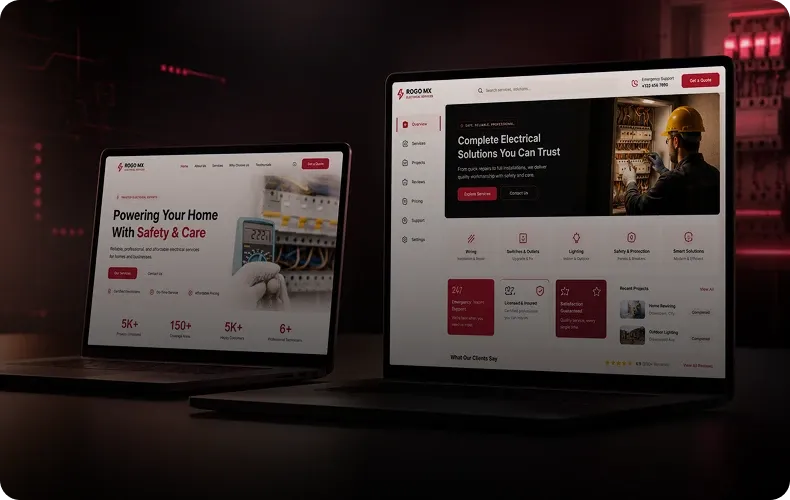
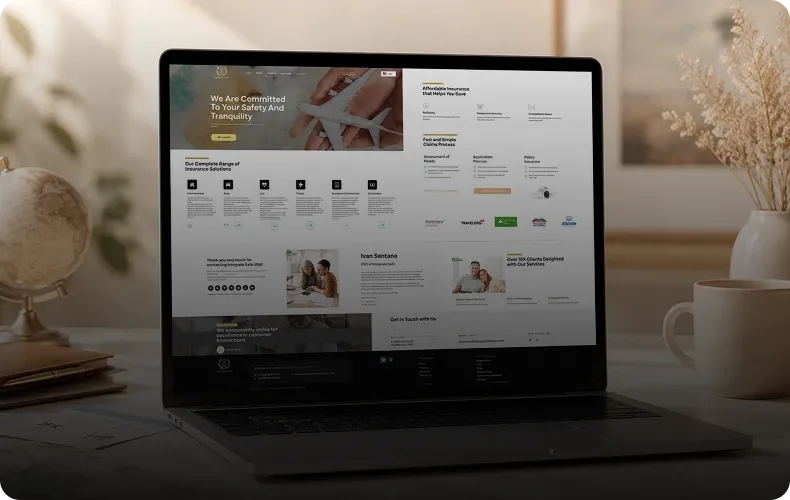
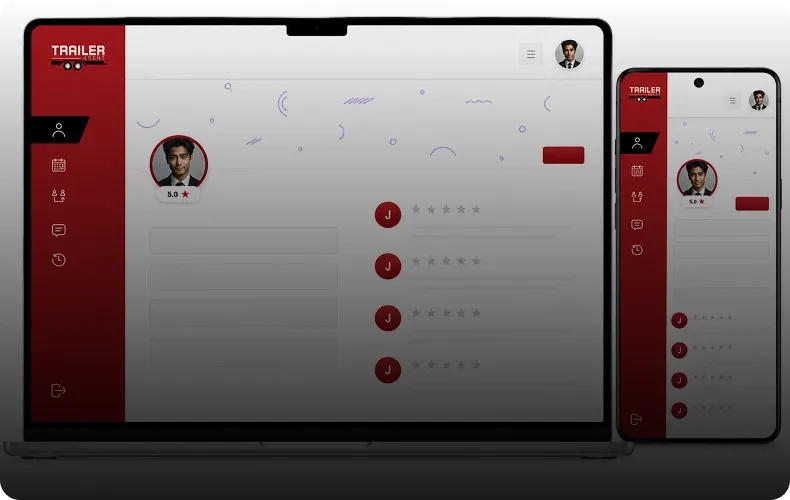
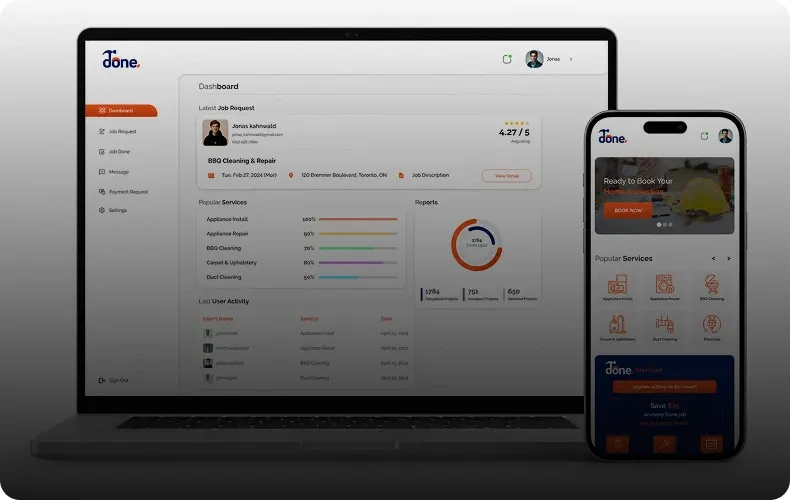
Enterprise finance technologies earn trust slowly. These builds manage real ledgers, payroll cycles and tax filings for businesses across dozens of markets. Each started with a reconciliation process held together by spreadsheets, and ended with numbers that agree. Explore the 8ration portfolio below and see which solutions 8ration shipped.

VMDO Financial Group

The process of turning financial advisory into more accessible guidance based on a considerate digital experience design that embodies human values and professional knowledge.

Read More about VMDO Financial Group
VMDO Financial Group

Benefits Of Financial Management ERP Software

8ration builds financial management ERP software that pays for itself in hours your people stop wasting. Reconciliation shrinks. Management reports arrive faster. Planning gets easier and audits get cheaper. Controls stop depending on one person remembering one step. Your finance operations win back capacity for analysis that moves business decisions.

  • A Faster Month-End Close

    Month-end drags because information arrives late, and arrives twice. The system posts transactions in real-time and flags exceptions the same day. Controllers chase fewer items and close faster. Your people finish faster every month, and the deadline stops being a negotiation with reality.

  • One Version Of Every Number

    Two business units quoting two revenue figures cost you credibility in front of a board. One ledger feeds each report, so operations, sales and management read the same figure at the same moment. Arguments about whose spreadsheet is right stop for good.

  • Reports Your Auditors Accept

    Audit season gets expensive when evidence lives in email threads. Reporting technologies keep the full transaction trail attached to each balance in your financials. Auditors can trace any number back to source data without asking your staff for another file. Fieldwork shortens, and lower fees usually follow.

  • Tighter Controls And Lower Business Risk

    Manual journals and shared logins create risk nobody notices until it matters. Risk-based approval limits, segregation of duties and audit logging all apply at the point of entry, so risk controls stop being a policy document. Each posting carries a name and a timestamp. Your financial risk register gets shorter, and compliance reviews run faster.

  • Cash You Can Actually See

    Forecasts built by hand go stale the day somebody builds them. Real-time payables, receivables and bank positions help the system project cash forward daily. Treasury sees a squeeze four weeks out rather than four days out, and can manage the risk while options remain.

  • Decisions Made On Current Information

    Monthly cycles force business leaders into decisions based on last month's facts. Real-time margin, cost and performance insights reach the people making those decisions while the month runs. Pricing and spending decisions then rest on data that still describes something true.

Core Features Of Our Financial ERP Systems

Enterprise finance runs on small things. Financial management technologies live or die on detail. Every system we build covers the ledger duties, compliance checks and management reporting your month contains. Features follow your financial processes rather than a vendor's template. Explore the solutions below.

  • 01

    General Ledger And Chart Of Accounts

    The general ledger sits at the heart of every build. We structure your chart of accounts around entities, cost centers and reporting lines, so consolidation needs no manual mapping work afterwards. Journals post with full history attached to each entry, so auditors see the whole trail.

  • 02

    Accounts Payable And Receivable

    Payables and receivables drive most of your transaction volume. Rule-based capture, approval routing, matching and payment runs all automate on the payable side. Invoicing, collections and dunning run to schedule on the receivable side, so cash arrives without manual chasing.

  • 03

    Automated Billing And Revenue Recognition

    Invoicing errors cost revenue and goodwill together, and customers notice faster than your teams do. Our financial ERP software handles recurring, usage-based and milestone billing, then recognizes revenue under the rules auditors expect. Deferred balances calculate themselves, and roll forward cleanly into the next period.

  • 04

    Multi-Entity And Multi-Currency Consolidation

    Groups with several legal entities lose days consolidating by hand. The financial accounting module in ERP books every entity in local currency, then consolidates at rates your management team controls. Intercompany eliminations run automatically, and group financials reconcile without one side spreadsheet.

  • 05

    Tax Compliance And Filing Support

    Tax rules change, and penalties arrive fast. We build tax rules into the system so the correct treatment applies at transaction level, across every jurisdiction you operate in. Filing reports generate from live data, which keeps submissions and your financials identical.

  • 06

    Budgeting Planning And Forecasting

    Financial planning works better sitting next to actuals. Our planning technologies hold budgets, forecasts and scenarios in the same financial ERP as your ledger. Variance reports update as transactions post, so planning cycles stop depending on a model a single analyst maintains alone.

  • 07

    Real-Time Reporting And Dashboards

    Business leaders need answers faster than the formal close allows. Real-time dashboards read live financial information and present margin, cash and performance insights by entity or by business unit. Performance insights reach managers without a request. Drill from any dashboard insight down to the underlying journal in two clicks.

  • 08

    Bank Reconciliation And Cash Management

    Reconciliation work eats the first week of the month in most accounts departments. Bank feeds connect directly, and rule-based matching clears the routine volume, so only genuine exceptions reach a human. Cash management positions across accounts and currencies update in real-time.

  • 09

    Role-Based Access And Audit Controls

    Financial information carries more risk than the rest of your business data, so permissions matter. Role-based permissions, approval thresholds and immutable audit logs get built in from the start. People see what their role requires, and each change leaves a record somebody can trace later.

Why Businesses Build Their Financial ERP With 8ration

Plenty of firms write code. Fewer learn a close calendar, a filing deadline or an audit request. 8ration starts by learning how your finance operations actually run. We then build financial management ERP software that fits those processes without argument.

Your Processes Come First

We learn your close, your approval chains and your reporting obligations before anyone writes code. The build then follows your processes. Your people learn a new system rather than relearning their jobs the way a software vendor once imagined them.

  • Ten Years Of Enterprise Delivery

    8ration has handled enterprise software, cloud systems and data migration projects for 2,500 clients across ten years. That history shows in the unglamorous parts of any enterprise build. Reconciliation logic. Permission models. Migration scripts that balance to the cent. Boring systems work, done properly.

  • Engineers Who Read Financial Statements

    Our developers sit beside people who understand debits, credits and revenue recognition. Requirements arrive in the language of your financials, and leave as working features. They learn fast. You spend less time explaining why a deferred revenue schedule has to behave a particular way.

  • Integration With What You Already Run

    Your platform has to talk to payroll, CRM, banking and operations systems. We build those integrations inside the project rather than promising them later. No finance platform runs in isolation. Financial information moves between those systems on a schedule your own people set and manage.

  • Migration Without Lost History

    Moving years of transactions worries finance leaders for good reason, because that risk is real. We migrate balances and history in staged runs, with reconciliation after each one. Your management team signs the numbers off before go-live. Nobody finds a variance three weeks into live operations, which is where trust gets lost.

  • Support After Go-Live

    Any system needs attention once real volume hits it. We stay on for monitoring, fixes and the changes your first months expose. Local rates move. Reporting needs grow. Our support services help you keep pace with both, and performance tuning is included.

Our Awards And Recognitions

Finance buyers research every vendor before they make a shortlist. Our enterprise delivery is reviewed and rated on GoodFirms, DesignRush, Clutch, TechReviewer, Trustpilot and Sitejabber. We also show up in person at Ai4 2026, Cisco Live 2026 and Google Cloud Next 2026.

Clutch
Techreviewer
active

How We Build Your Financial Management ERP System

Enterprise technologies fail at handover rather than during coding. Our process front-loads the planning that prevents it. We learn your financial processes, design against them, build in slices and prove the numbers tie out before anybody depends on the system.

01

Discovery And Business Process Mapping

We learn how your controller and finance staff manage the close, reporting lines, approval chains and daily friction in your operations. Each finding feeds the scope. You can see where your current processes leak time before 8ration proposes technologies to fix them.

02

Solution Design And Planning

Planning covers the chart of accounts, data model, entity structure and integration points together with your management team. Reporting requirements shape the architecture instead of arriving late as a request. You approve both the design and the costs, before development work starts properly.

03

Prototyping And Validation

Your controllers judge software on whether a journal behaves correctly. We build working prototypes of the posting and reporting flows early, then run your own transactions through them. Changes happen while they remain cheap, and nobody has committed to a wrong turn.

04

Agile Development In Slices

We build the solution module by module and hand each module over for review. The general ledger module lands first. Billing, tax and management reports follow. Your people see progress each sprint, and help redirect priorities before the build travels too far.

05

Testing Reconciliation And Migration

Testing covers functional cases, performance checks, plus the question that decides everything. Do the numbers tie out? We run parallel closes against your old system and reconcile each balance. Migration runs repeat until the opening position matches to the cent. Performance testing runs alongside.

06

Go-Live And Ongoing Support

We launch beside your first live month, with engineers available throughout. After that we monitor performance, fix what breaks and build the changes you request, once real volume teaches everybody something new about their own financial data.

Still Closing Your Books In Spreadsheets?

Tell us how your month-end runs today. 8ration engineers map your processes and the gaps, then come back with a financial management ERP plan scoped to your entities, your reporting needs and your budget.

The Technologies Behind Our Financial ERP Systems

Finance workloads punish the wrong technologies quickly. Transaction volume grows every year, and reporting queries get heavier each quarter. Our engineers pick technologies for your financial ERP based on how much data your business posts, how fast teams need insights and where compliance rules say information must live.

  • ERP PlatformsSAP S/4HANA · Oracle NetSuite · Microsoft Dynamics 365 · Odoo
  • Backend.NET · Java · Node.js · Python
  • FrontendReact · Angular · Next.js
  • DatabasesPostgreSQL · SQL Server · Oracle Database
  • CloudAWS · Microsoft Azure · Google Cloud
  • Reporting And BIPower BI · Tableau
  • IntegrationsREST APIs · Webhooks · Apache Kafka
  • SecurityOAuth 2.0 · SSO · Encryption At Rest

Engagement Models For Financial ERP Software Development

Enterprise finance projects arrive in different shapes. Some businesses know which financial management ERP modules they need down to the field level. Others have a painful month-end and no clear brief yet. Others simply want more engineers beside their own developers. 8ration works all three ways, and the commercial terms follow your choice.

  • Fixed Scope Fixed Cost

    Best used when requirements are settled and signed off. We agree the modules, the integrations and the dates, then build to that scope for a fixed cost. You get budget certainty, and we carry the delivery risk against the plan.

  • Dedicated Finance Engineering Team

    Best used when scope will evolve as your business learns the system. You get engineers and a financial analyst used only on your build, billed monthly. Priorities shift sprint by sprint, without a change request each time your teams learn something.

  • Staff Augmentation Services

    Best used when your own developers lead the project and need specialist help. 8ration supplies specialists. We place engineers used to enterprise financial systems into your team, under your management. They use your technologies, your sprints and your standards, and leave knowledge behind afterwards.

What A Financial Management ERP System Costs

8ration prices by complexity rather than ambition. A single-entity build with standard bookkeeping costs far less than a multi-currency group solution carrying tax logic and heavy integration effort. The ranges below reflect typical enterprise projects across our portfolio. Your scope moves the number either way, and 8ration prices it properly once discovery ends.

ComplexityTypical TimelineTypical Cost
Basic finance module3 to 4 months$20,000 to $45,000
Mid-level financial ERP system4 to 6 months$45,000 to $90,000
Advanced finance platform build6 to 9 months$90,000 to $150,000
Enterprise group build9 months and beyond$150,000 and up

Reviews From Our Clients

  • Month-end dropped from eleven days to four. The reporting layer paid for the whole project inside two quarters and our auditors stopped asking for files.

    Gregory WhitfieldVP Finance
  • They understood revenue recognition before we finished explaining it. Deferred schedules behaved correctly from the first close, which almost never happens with outside developers.

    Marta LindqvistGroup Controller
  • We ran six entities in four currencies on spreadsheets. Consolidation now takes an afternoon. Intercompany eliminations run themselves, and the group financials finally tie out.

    Declan MoynihanChief Financial Officer

FAQs About Financial Management ERP Systems

What Is A Financial Management ERP System?

+

A financial management ERP system records each transaction your business creates, and keeps it in a single connected set of books. Billing, payables, receivables, compliance and management reports all read and write to the same general ledger. Explore how that changes your month. Your staff work on live information instead of moving data between bookkeeping tools and spreadsheets. Reports then describe what happened this morning, rather than what somebody exported last Friday afternoon. Costs and margins stay current.

How Is Financial Management In ERP Different From Accounting Software?

+

Accounting packages record transactions. Financial management in ERP connects that record to the rest of your business operations. Sales orders, inventory movements, payroll and procurement post into the same books without manual data entry. You also gain multi-entity consolidation, deeper financial controls and reporting across business units, so those processes stop being manual. Most businesses outgrow their bookkeeping packages once they add entities, currencies or filing obligations those packages cannot manage properly. Growth usually forces the decision.

How Long Does It Take To Build A Financial ERP System?

+

A single-entity module with standard bookkeeping and reports usually takes three to four months. Mid-level solutions carrying billing, compliance and integrations run four to six months. Group solutions carrying multi-currency consolidation and legacy data migration take nine months or longer. Discovery sharpens that estimate quickly, because your close calendar and entity structure drive most of the schedule.

What Does Financial Management ERP Software Cost?

+

Our financial management ERP projects generally land between $20,000 and $150,000, with enterprise group builds running higher. Complexity drives the figure for any build of this kind. Entity count, currency count, integration volume and compliance rules matter far more than user seats. We price after discovery, so the costs reflect your real business processes. You can also explore our cost calculator and see indicative costs before any conversation starts.

Can You Add A Financial Management ERP Module To Our Existing System?

+

Yes. Many businesses run operations technologies that work well and handle finance poorly. We build a financial management ERP module that sits beside them and takes over the books, permissions and management reporting. Financial information flows both ways through integrations we build and maintain. Your business keeps the systems it already knows and stops managing financials in parallel spreadsheets. Users learn a single screen rather than three.

Do You Work With Financial Accounting With SAP ERP?

+

Yes. We implement and extend financial accounting ERP products, including financial accounting with SAP ERP. That work covers chart of accounts design, VAT and sales tax configuration, entity structures, user controls and the integrations connecting those technologies to everything else your business runs. Where packaged technologies cannot cover a process, we build custom modules around them rather than forcing your business to change how it books revenue.

How Do Financial Close ERP Integration Platforms Help Our Month-End?

+

Most delays trace back to financial information sitting in systems that do not talk to each other. Financial close ERP integration platforms pull billing, payroll, banking and subledger information into a single reconciliation layer. Your controller sees open items, variances and unmatched transactions on a single screen. Teams then handle exceptions rather than hunting for files, which is where the days usually disappear.

Is Our Financial Data Safe In A Custom Platform?

+

Security belongs in the platform rather than bolted on afterwards, because financial data carries real risk. We apply role-based access, approval thresholds, encryption in transit and at rest, plus immutable audit logging on each posting. Data residency follows whatever your regulators require, and the technologies we use respect that. Each change carries a user and a timestamp, so your risk and compliance teams trace any figure back to the person who touched it.

Can The System Handle Multiple Currencies And Entities?

+

Yes, and most of our clients need exactly that. Each entity books in its local currency under local rules. Consolidation runs at rates you control, with intercompany eliminations applied automatically. Group financials are produced without a side model maintained by one analyst. Adding an entity later becomes configuration rather than another project, and your own teams can manage that work in a morning.

What Support Do We Get After Go-Live?

+

We stay on past go-live because real volume always teaches everybody something. Support covers monitoring, issue fixes, performance tuning and the changes your people request once they run daily operations on the system. Local rates change. Reporting requirements grow. New entities arrive. We help you manage those under an ongoing services arrangement, scoped to how much change your business expects each year.

Delivering Software That Performs Without Limits

We craft high-performance applications designed for speed, security, and seamless integration. Join us to build dependable systems, improve productivity, and stay competitive in evolving markets.

Phone

Related ERP Pages

Explore more of our ERP software development services.