Text Us

Apparel ERP Software Solutions

Fashion brands lose margin in the gaps between the sample room and the sales floor. 8ration builds apparel ERP software that keeps style, size and color intact from sourcing through billing, so your wholesale, B2B and DTC teams work from a single set of numbers.

Apparel ERP software keeping style, size and color in one system
  • 10+Years Building Business Software
  • 100+In-House Engineers And Consultants
  • 2,500+Global Clients
  • 3-6Month Typical Rollout
Fashion team checking style, size and color stock in an apparel ERP system

What Apparel ERP Software Does For A Fashion Business

An apparel business sells a matrix rather than a product line. A single style arrives in nine sizes and four colors then splits again by channel and partner. Apparel ERP software carries that matrix through sourcing, production, the warehouse, accounting and billing so each order line keeps its identity from first sample to final invoice. Generic tools flatten it. Apparel ERP software keeps it whole.

Brands reach for apparel ERP when the spreadsheets stop holding. Orders sit in inboxes. Stock levels disagree between the POS and warehouse operations. Wholesale partners reject EDI documents then charge back the difference. One apparel ERP system with native fashion industry logic ends that reconciliation work and hands merchandising, finance and production the same numbers each morning. Generic business software cannot see a size curve.

Apparel ERP Software Solutions We Build, Integrate And Support

Every brand in the fashion industry runs a different mix of wholesale, B2B and store sales. 8ration scopes each apparel ERP solution against the way your team already works then builds, integrates and supports the platform from launch onward.

  • 01

    Apparel ERP Software Development

    Our apparel ERP software is built from the data model up. Styles, sizes and colors sit at the center of a schema made for apparel rather than bolted onto a generic product table, so inventory management, costing and allocation behave correctly from the start.

  • 02

    Apparel ERP Implementation Consulting

    Before anyone writes code our consultants map your sourcing, wholesale and warehouse work against the business software you run today. The output of that apparel ERP implementation consulting work is a phased solution covering data cleanup, training and the integrations your business will need.

  • 03

    Apparel ERP Implementation Services

    Our apparel ERP implementation services cover migration, configuration, parallel running and role based training. We move every style master, open order lines and inventory onto the new ERP platform then keep both live to ensure your finance team signs off on the closing numbers.

  • 04

    Native EDI And Middleware Integration

    Your wholesale partners publish routing guides then enforce them. We build the EDI maps and middleware that turn purchase orders, ASNs and invoices into clean records, and we ensure each EDI document validates inside your apparel ERP system before dispatch.

  • 05

    PLM Integration And Product Data Sync

    Design works in PLM. Finance works in accounting. We connect both so tech packs, bills of material and PLM costing reach production without a second data entry pass, and every style keeps a single identity across your tools.

  • 06

    Apparel Retail ERP And POS Rollout

    Stores need the same stock picture as your warehouse operations. Our apparel retail ERP software work covers POS rollout, loyalty setup and store level management reporting so floor staff can see current inventory and customer history while the customer waits.

From Sample Room To Sales Floor

8ration engineers have shipped order management, inventory and billing software for apparel and footwear brands selling wholesale, B2B and DTC. Each build opened with a difficult migration and closed with a platform our clients trust enough to plan a fashion season on.

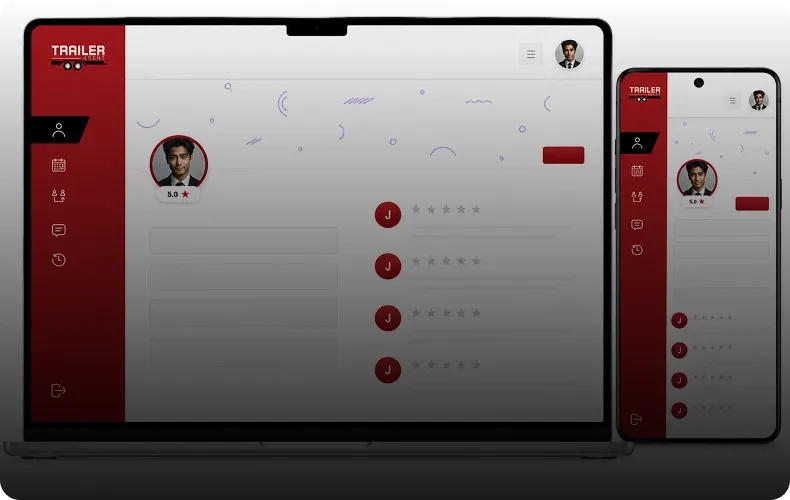
Trailer4Rent

Discover how we built Trailer4Rent, Canada's peer-to-peer trailer rental platform that smoothly connects owners and renters.

Read More about Trailer4Rent
Trailer4Rent

Benefits Of Apparel ERP Software Across Wholesale And Retail

Margin hides inside the detail of a size run. Apparel ERP software built for the fashion industry brings it into view. Teams stop reconciling spreadsheets and start reading the same numbers, so planning and billing decisions take hours instead of weeks.

  • Margin You Can Read By Style And Color

    Landed cost, freight and discount all settle at the SKU, so gross margin arrives by style, size and color. Merchandisers know which color earns its shelf space and which funds the fashion industry markdown rack, and brands acting on those insights protect full price weeks.

  • Fewer Chargebacks From Wholesale Partners

    Most chargebacks trace back to a label, a document or a ship window. Mapping partner standards once inside the apparel ERP system means ensuring each ASN and invoice matches the routing guide before a carton leaves the building. Ensuring compliance costs less than disputing deductions.

  • Current Stock Levels On Every Channel

    A single pool of inventory feeds wholesale, B2B and DTC demand for all your brands. The sync runs on a schedule you set, so your DTC site stops selling units that shipped yesterday and store staff stop promising stock already allocated. One inventory figure across channels.

  • A Supply Chain That Holds Its Dates

    Approved tech packs reach the factory the day they are signed, which is where supply chain management starts paying for the business. Purchase orders, sample status and production milestones sit in one system, so your supply chain calendar holds its original dates.

  • Billing And Accounting That Reconcile

    Invoices build from the ship confirmation to ensure billing matches what left the dock. Your finance team closes faster because credit notes, commissions and invoices draw on the same records, and nobody rebuilds the sales ledger. Ensuring the ledger matches each shipment is automatic.

  • Insights Your Operations Team Will Actually Use

    Sell through by styles, stock cover by size and open order value by channel come from one apparel ERP system. Planning meetings begin at the dashboard instead of three conflicting exports from generic tools, so insights arrive before the decision. Everything lands in one system.

Core Features Inside Our Apparel ERP Systems

An apparel ERP system earns its place through detail, the kind the fashion industry runs on. These apparel ERP capabilities cover the work your team repeats weekly, from style setup and inventory control through EDI, manufacturing, store systems and management reporting.

  • 01

    Style, Size And Color Matrix

    The matrix is the foundation of every apparel ERP system 8ration has built. A single style carries its full size and color grid with dimensions, barcodes and pack configurations attached, so a nine by four grid behaves as one product.

  • 02

    Inventory And Warehouse Management

    Bin level stock, cycle counts, transfers and pick, pack and ship all run inside a single inventory management module. Allocation rules decide who receives units when supply runs short, so ensuring your biggest customer ships complete is a setting.

  • 03

    Order Management For B2B And DTC

    Bulk trade orders, prepacks, replenishment and single DTC parcels run through a single order management engine. Credit limits, price lists and ship windows apply per account, so your B2B terms and your consumer promise never contradict. Management capabilities scale with each account your brands sell to.

  • 04

    Native EDI Document Automation

    Inbound 850 purchase orders become sales orders without typing. Outbound 856 ASNs and 810 invoices build from real shipment records. The native EDI layer validates against each partner profile to ensure documents meet the standards your wholesale partners publish.

  • 05

    Production And Sourcing Control

    Track cut tickets, PLM costed BOMs, contractor work in progress and landed cost per SKU. Your sourcing team can see supply lead times beside each purchase order, so capacity planning matches the factory time your business actually holds. Your supply chain dates hold.

  • 06

    Accounting And Billing

    General ledger, accounts receivable, accounts payable and multi currency billing all sit native in the ERP platform. Invoices, credits and commission runs post from order events, which keeps accounting reconciled without the monthly export and import routine. Billing capabilities cover multi entity groups.

  • 07

    Store POS, Loyalty And Retail Operations

    The POS reads the same catalog as ecommerce. Store teams can see stock levels in other locations, process customer returns against the original order and enroll shoppers in loyalty. Each transaction reaches head office operations that evening.

  • 08

    PLM, Shopify And Middleware Sync

    A documented sync layer moves product data between PLM, the ERP, your Shopify storefront and marketplaces. Mapping rules live inside middleware you can inspect, so a new storefront means fresh configuration rather than another integration project. Sync rules are yours to see and change.

  • 09

    Dashboards, Reporting And Insights

    Role based dashboards hand merchandising, operations and finance their own view of the same customer records, built to standards your auditors know. Sell through, stock levels, open orders and margin refresh on a schedule, and insights export to your reporting tools.

Why Apparel And Footwear Brands Choose 8ration

You are buying judgment as much as code. 8ration engineers lead each apparel ERP solution from scoping to handoff, they work from your business processes rather than a template, and they stay reachable once the system carries real orders.

  1. 01

    Engineers Who Know The Fashion Industry

    Our teams know what a prepack is, why a size curve matters and how a routing guide reads. Nobody has to explain the fashion industry first, and industry habits are built into the questions our consultants ask.

  2. 02

    Native Apparel Logic Instead Of A Bolt On

    Styles, sizes and colors live in a core data model built for apparel. Nothing depends on custom fields stacked onto a generic product record, which is why reporting stays accurate across your catalog of styles as your business grows.

  3. 03

    Integration Work We Own End To End

    EDI maps, PLM connections, POS and Shopify sync all come from one team. When a document fails you call the people who built the middleware instead of refereeing between three vendors with separate support queues.

  4. 04

    Training Your Team Will Remember

    We run training by role rather than by module list. Warehouse staff, supply planners, merchandisers and accounting each get sessions built around their daily screens, plus short recorded walkthroughs your operations team keeps after the first busy season.

  5. 05

    Senior Consultants From Scoping To Handoff

    The consultants who scope your apparel ERP solution stay with it through delivery. No junior handoff after signature, which keeps decisions consistent and keeps the reasoning behind each solution choice inside the project, where our clients can see it.

  6. 06

    Support That Begins At Launch

    Launch is the midpoint. We monitor every sync job to ensure allocation and management reporting hold against real volume, and we keep a support path open for the small issues of week three.

Recognition Earned On Delivered Work

8ration software engineering has been recognized across enterprise delivery, and our engineers speak at industry events on building business software made to last. The record we value most belongs to our clients: apparel and footwear platforms still running clean.

Clutch
Techreviewer
active

How 8ration Delivers Apparel ERP Implementation Services

A rollout fails on process far more often than on technology. Our apparel ERP implementation services follow six stages, each with a named owner and an exit test, so our clients always know what is finished and what comes next.

01

Discovery And Process Mapping

We sit with sourcing, trade sales, warehouse and finance to document how the business works today. The gaps found that week set the solution priorities, and the map becomes the reference everyone argues against later. Clients sign it off.

02

Data Audit And Migration Plan

Style masters are usually the messiest asset in an apparel business, and generic tools made them that way. We profile them, agree cleanup rules with merchandising then plan the move you need for open orders, inventory and customer history.

03

Solution Design And Integration Blueprint

Solution design covers the data model, module configuration and each integration point: EDI partners, PLM, POS, Shopify and accounting. You approve the blueprint, the PLM mapping and the sync rules before the first sprint begins.

04

Agile Build And Sync Configuration

Build runs in two week sprints with a working demo at the end of each. Integrations and sync jobs go in early because they carry the most risk in an ERP rollout and need real partner documents to prove.

05

QA, UAT And Role Based Training

Our QA engineers test the matrix, the EDI documents and the ledger. Your team then runs acceptance against real season records while training happens by role, so the people who sign off are the people who use it.

06

Cutover, Hypercare And Optimization

We go live on a quiet window, run both systems in parallel until finance confirms the balances, then stay in hypercare while volume ramps. Optimization continues against the industry metrics you set, and support capabilities stay in place.

Still Running The Season On Spreadsheets?

Send 8ration your workflow and the partner list you ship to. We will come back with a phased apparel ERP solution, a realistic timeline and the integration work it will need.

The Engineering Standards Behind Our Apparel ERP Platform

Stack choices follow the shape of the work rather than fashion in tooling. 8ration engineers pick what carries peak volume and stays maintainable in house, then hold each middleware integration to the same industry standards, ensuring your apparel ERP solution never depends on one person.

  • ERP PlatformsOdoo · Microsoft Dynamics 365 · Oracle NetSuite
  • Ecommerce And POSShopify · Shopify POS · Magento
  • EDI And MiddlewareX12 EDI · SPS Commerce · MuleSoft
  • Backend.NET · Java · Node.js · Python
  • FrontendReact · Angular · Next.js
  • DatabasesPostgreSQL · SQL Server · Oracle Database
  • CloudAWS · Microsoft Azure · Google Cloud
  • Reporting And BIPower BI · Tableau

Engagement Models For Apparel ERP Software Projects

Budgets, in-house capabilities and timelines differ at every fashion brand in this industry, so the commercial shape should differ too. 8ration clients across apparel and footwear brands choose a fixed scope delivery, a dedicated team for a defined period, or individual apparel ERP specialists who join your own engineers.

  • Fixed Scope Project

    Best when requirements hold still. We agree scope, price and schedule up front then deliver against it, with a written change path and the same standards throughout, whatever your business adds mid flight. Your business signs the scope.

  • Dedicated Development Team

    A standing team of engineers, QA and a project lead works only on your apparel ERP platform. You set the roadmap sprint by sprint, which suits long rollouts where capabilities arrive in stages. One platform, one delivery team.

  • Staff Augmentation

    Your team keeps ownership and 8ration fills the gaps in your capabilities. Apparel ERP engineers, EDI specialists or migration analysts join your structure, work to your standards and report into your leads for as long as you need them.

What Apparel ERP Software Costs To Build And Roll Out

Price follows scope, channel count and the state of your data far more than the module list. A single channel trade label and a multi entity fashion business running stores, DTC and manufacturing sit far apart. The table shows where 8ration apparel ERP projects land, because generic benchmarks rarely fit the fashion industry.

Project ComplexityWhat It CoversTypical TimelineCost Range
StarterNative apparel ERP core: style matrix, inventory, order management and basic accounting for one channel3 to 4 months$20,000 to $45,000
GrowthB2B and DTC together, EDI for a small partner set, PLM and Shopify sync, warehouse management4 to 6 months$45,000 to $90,000
AdvancedMulti entity or multi currency, store POS and loyalty, manufacturing control, PLM integration and management insights6 to 9 months$90,000 to $150,000
EnterpriseCustom platform, large EDI partner network, manufacturing control, several warehouses and ongoing support9 months and beyondFrom $150,000

What Our Clients Say After Launch

  • Our size curve finally behaves, and so does the color grid. Reporting by styles and colors takes one click rather than two days of spreadsheet work.

    Caleb WhitfieldVP of Operations, womenswear brand
  • Chargebacks dropped once the EDI documents started validating before dispatch. Their team understood our routing guides better than any vendor in footwear.

    Ingrid HalvorsenSupply Chain Director, footwear wholesaler
  • Month end used to take nine days. Billing posts from the shipment records so accounting closes in three. One system, one number.

    Thomas BrennanChief Financial Officer, apparel group

FAQs About Apparel ERP Software

What Is Apparel ERP Software?

+

Apparel ERP software is business software built around the way the fashion industry actually operates. It holds style, size and color as one structure then carries it through sourcing, production, inventory, trade and store sales, billing and finance. Generic tools treat each variant as a separate product, which breaks reporting and allocation. Apparel management ERP software holds that structure for brands running wholesale and DTC side by side, so ensuring every team reads the same numbers stops being a daily chore.

How Is Apparel ERP Different From Generic ERP?

+

The difference sits in the data model. Generic business software stores products as flat records then relies on custom fields to fake a size and color grid. Apparel ERP systems treat the matrix as native, with prepacks, size curves and garment costing already present. They also ship with the EDI, PLM and store capabilities an apparel business will need, so generic tools stop being a workaround somebody maintains. Apparel ERP systems ship with those capabilities built in.

Do You Build Custom Apparel ERP Systems Or Configure Existing Ones?

+

Both, and the choice belongs in discovery. Many brands know they are best served by configuring a proven apparel ERP platform then spending the budget on integration and training. Other brands carry workflows no product supports, so a custom built solution pays for itself. Apparel manufacturing ERP software suits footwear and clothing brands that cut and sew in house. Our apparel ERP implementation consulting work compares both routes, and we ensure each solution is costed before you choose.

How Long Does An Apparel ERP Implementation Take?

+

Most apparel ERP solution rollouts run three to six months from kickoff to launch. A single channel trade brand with clean records can go live sooner. A multi entity operations group adding stores, loyalty, manufacturing control and a large EDI partner network takes longer. Ensuring your records are clean protects the launch date more than an extra engineer will, which is why industry experience, not optimism, sets the date we give you.

Can Your Apparel ERP System Handle EDI For Our Wholesale Partners?

+

Yes, and EDI is usually the fastest return in the whole project. We map each partner profile against their published routing guide, automate inbound purchase orders and outbound ASNs and invoices, then validate each document before it leaves. Wholesale partners differ in their industry standards, so every map is built per account and tested with real documents. EDI standards shift from season to season, so ensuring each map stays current is part of support.

Will It Sync With Shopify And Our Other Sales Channels?

+

The ERP platform treats channels as consumers of one inventory pool. 8ration builds a native sync layer that moves product data, stock levels and orders between the apparel ERP, your Shopify storefront, marketplaces and your B2B portal. Sync frequency across channels is yours to set. Mapping rules live in middleware you can inspect and change, so adding a storefront later means configuration rather than a rebuild of the core apparel ERP system.

Does Apparel Retail ERP Include POS And Loyalty?

+

Yes. Apparel retail ERP software covers the store floor as well as head office. The till reads the same catalog and inventory as ecommerce, handles returns against the original order and enrolls customers in loyalty at the counter. Store managers know stock levels in other locations, and each transaction reaches central management reporting on the same sync. Ensuring the floor and the stockroom agree is the point, so loyalty, customer history and inventory all live inside one system.

How Do You Migrate Our Existing Data?

+

Migration runs as its own workstream. Our data management team profiles your current styles, customer records, open orders, inventory and sales history, agree cleanup rules with your merchandising and finance leads, then load in staged passes with reconciliation after each one. Both systems stay alive in parallel to ensure your accounting team can confirm the balances match. Ensuring nothing is lost matters more than finishing early, and clients see each reconciliation.

What Does Apparel ERP Software Cost?

+

Each apparel ERP solution we quote falls between $20,000 and $150,000, with a core single channel build at the lower end and an enterprise rollout covering manufacturing, stores, inventory control and a large partner network above it. Channel count, integration scope, supply chain complexity and the condition of your records drive it. Discovery produces a fixed figure, so the quote you sign covers scoped work rather than a guess.

What Support Do We Get After Launch?

+

Hypercare starts the day you cut over. 8ration monitors every sync job and your EDI traffic, tunes allocation and management reporting against real volume then fixes issues inside an agreed response window. After that you can move to a retained support agreement covering updates, new partner onboarding, extra training for new staff and the seasonal changes every apparel and footwear business runs into. Most clients stay with us through two fashion seasons.

Delivering Software That Performs Without Limits

We craft high-performance applications designed for speed, security, and seamless integration. Join us to build dependable systems, improve productivity, and stay competitive in evolving markets.

Phone