

The global market for software development tools was valued at US $6.36 billion in 2024, is expected to grow to US $7.47 billion in 2025, and could reach US $31.8 billion by 2034 (CAGR ≈ 17.5%).
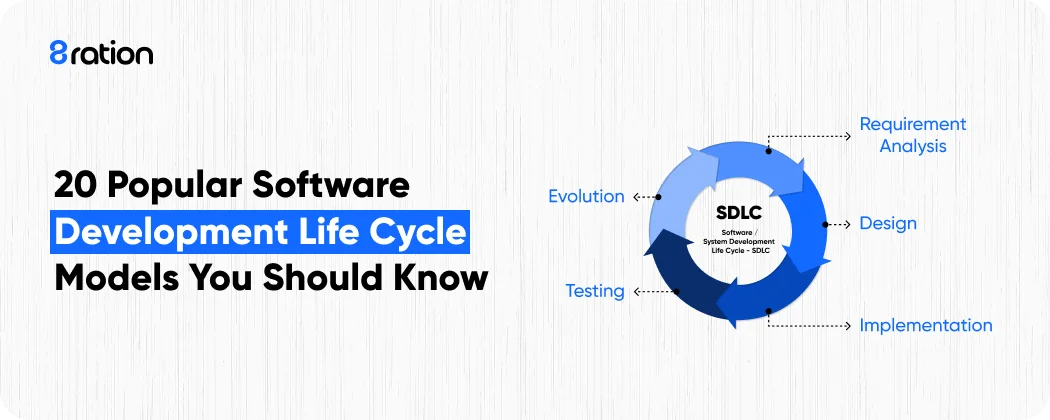
The concept of software development life cycle models indicates how software is planned, constructed, tested, released, and maintained by teams. They influence the quality of projects, the speed of delivery, the budget, and the efficiency of final product fulfillment to the business objectives. The approaches that are available are dozens, and there is no general best model. They all have their own advantages, weaknesses, and best applications.
To make the best decision, we have categorized 20 common software development life cycle models and how they operate, where they are best applied, and where they fail. Various software development life cycle phases, namely requirements gathering and design to development, testing, deployment, and software maintenance, are supported by these models, which guarantee that teams follow the structure that fits their objectives and constraints.
Understanding How the SDLC Model Works
Globally, the models of software development life cycle can be divided into the following four strategies:
- Linear models: rigorous, sequential, and highly structured.
- Iterative models: new cycles of enhancement.
- Agile models: agile, interactive, and very flexible.
- Hybrid models: structured and iterative practices.
The correct option depends on the stability of your requirements, the rate at which you desire the working software, and the extent of risk that you are ready to take.
# |
SDLC Model |
Structure Type |
Flexibility |
Risk Level |
Estimated Cost |
Best For |
| 1 | Waterfall Model | Linear | Very Low | High | Low–Medium | Simple, stable requirements |
| 2 | V-Shaped Model | Linear + Verification | Low | High | Medium | Critical systems, testing-heavy projects |
| 3 | Incremental Model | Iterative | Medium | Medium | Medium | Products needing partial releases |
| 4 | Agile Model | Iterative + Collaborative | Very High | Low | Medium–High | Dynamic requirements, fast delivery |
| 5 | Scrum Model | Sprint-based Agile | Very High | Low | Medium | Complex & fast-moving projects |
| 6 | Kanban Model | Flow-based Agile | High | Low | Low | Continuous delivery, support teams |
| 7 | Lean Software Development | Waste-reduction focused | Medium–High | Low | Low–Medium | Efficiency-driven teams |
| 8 | Rapid Application Development (RAD) | Prototyping | High | Medium | Medium | Fast prototyping, UI-heavy apps |
| 9 | Prototyping Model | Prototype-first | High | Medium–High | Medium–High | Projects lacking clarity |
| 10 | Spiral Model | Risk-driven | Medium | Low | High | Large, mission-critical applications |
| 11 | DevOps Model | Continuous Integration & Delivery | Very High | Low | Medium | Teams needing automation + deployment speed |
| 12 | Big Bang Model | No formal process | Very High | Very High | Low–Medium | Small, experimental projects |
| 13 | Iterative Model | Repeated cycles | High | Medium | Medium | Evolving requirements |
| 14 | Feature-Driven Development (FDD) | Feature-based | Medium–High | Low–Medium | Medium | Large feature-rich systems |
| 15 | Dynamic Systems Development Method (DSDM) | Agile + RAD | High | Low | Medium–High | Complex enterprise apps |
| 16 | Extreme Programming (XP) | Agile + Engineering Practices | High | Low | Medium | Teams needing code quality + speed |
| 17 | Crystal Methodology | People-centric | High | Medium | Medium | Variable-sized teams; flexible workflow |
| 18 | Rational Unified Process (RUP) | Phase-driven iterative | Medium | Low–Medium | Medium–High | Enterprise systems |
| 19 | Unified Model (UM) | Object-oriented | Medium | Medium | Medium | Modeling-heavy projects |
| 20 | Component-Based Model | Modular | Medium | Medium–Low | Medium–High | Systems reusable across apps |
Below is a detailed look at the 20 most impactful models in use today.
1. Waterfall Model: Conventional and Deterministic
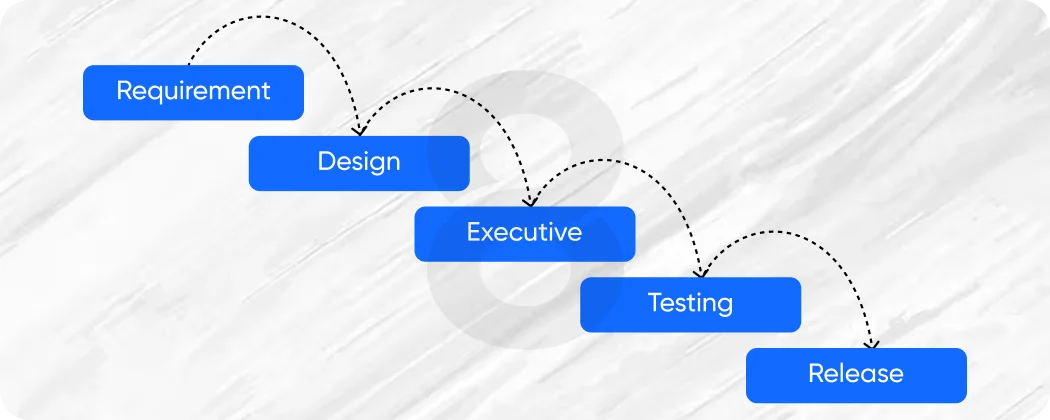
The Waterfall model is the standard model of linear phases of the software development life cycle. Work passes through the phases of analysis, design, coding, software testing, and deployment without any overlap.
Benefits
- Foreseeable schedules and expenses
- Strong documentation
- Simple to manage
Challenges
- Hard to change in the middle of the project
- Risky when there is an inaccuracy of early requirements
- Less feedback in the development process
Applicable to: Small projects or well-defined projects, controlled industries, and fixed-price contracts.
2. V-Model: Verification and Validation at Every Step
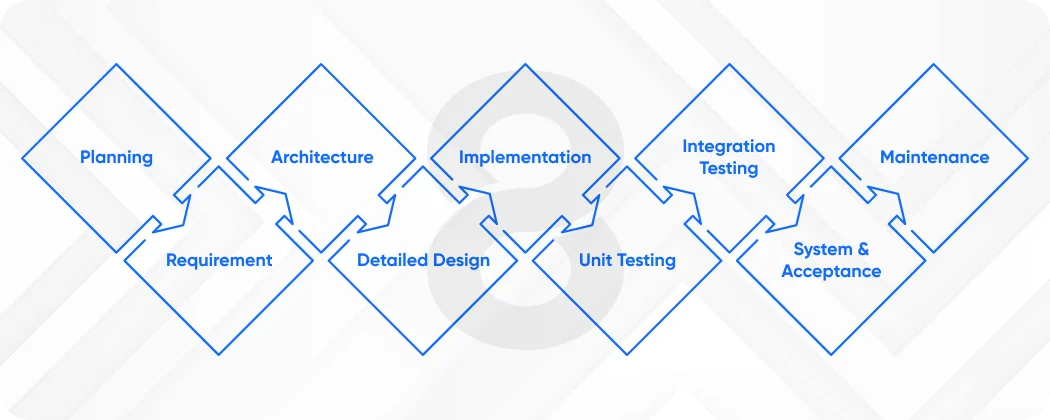
The V-Model is a reflection of the Waterfall that provides that each development stage has a testing stage.
Benefits
- Uninterrupted quality by early and frequent validation
- Very well organized and traceable
- Reduces late-stage defects
Challenges
- Hampered by cumbersome planning
- Expensive and rigid
- Inappropriate to adapt to changing requirements
Ideal use: Systems with high risk and safety-critical systems e.g. aerospace, automobile, and health care.
3. Incremental Model: Building in Modules
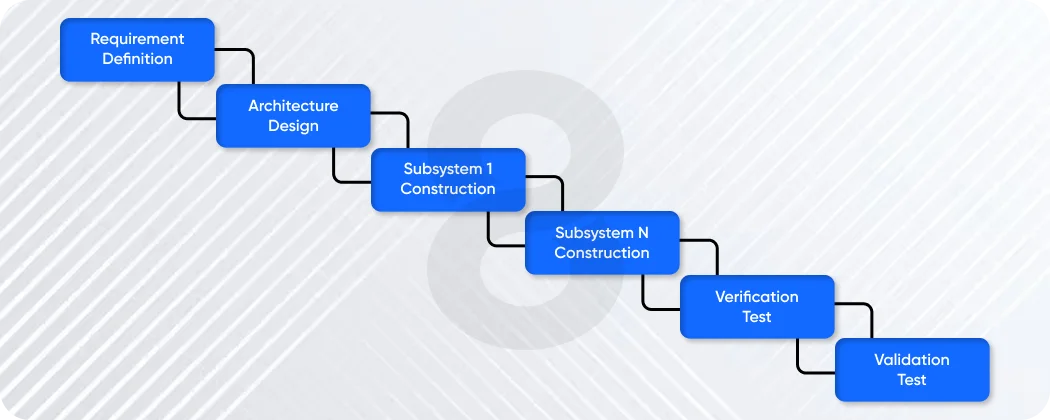
The incremental model splits the system into functional pieces. The increments undergo all the phases of the software development life cycle and are delivered individually.
Benefits
- Timely delivery of functionalities
- Easier requirement changes
- Lower initial cost
Challenges
- Increased complexity of integration
- Risk of scope creep
- Sensitive to architectural planning
Best used: Modular solutions such as CRM modules, payment systems and SaaS platform modules.
4. Iteration Model: Improvement by Repetition
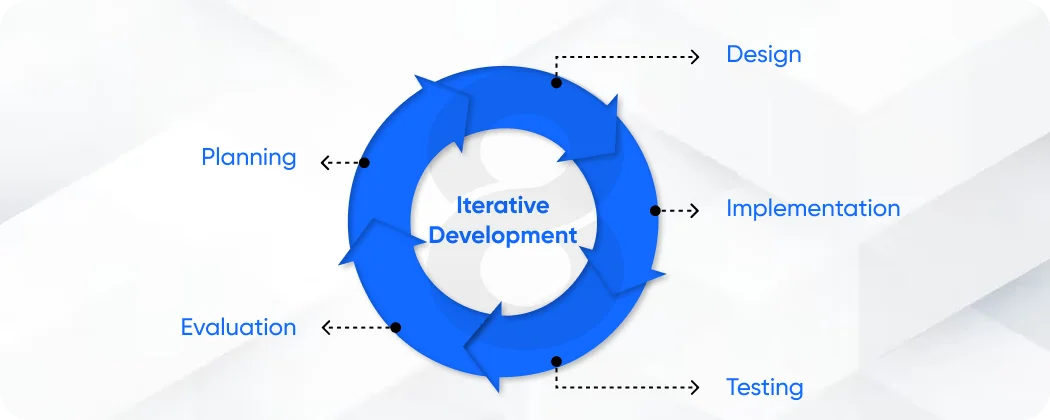
This model builds software by utilizing cyclic ideologies. The resulting iteration allows the build to get enhanced with every iteration based on the feedback.
Benefits
- Manages changing needs effectively
- Enables early problem detection
- Promotes the concept of constant improvement
Challenges
- Difficult to determine time and costs
- Clients must be involved
- Strict planning is required
Best when: It is a project that requires regular changes or testing.
5. Spiral Model: Risk Management Design
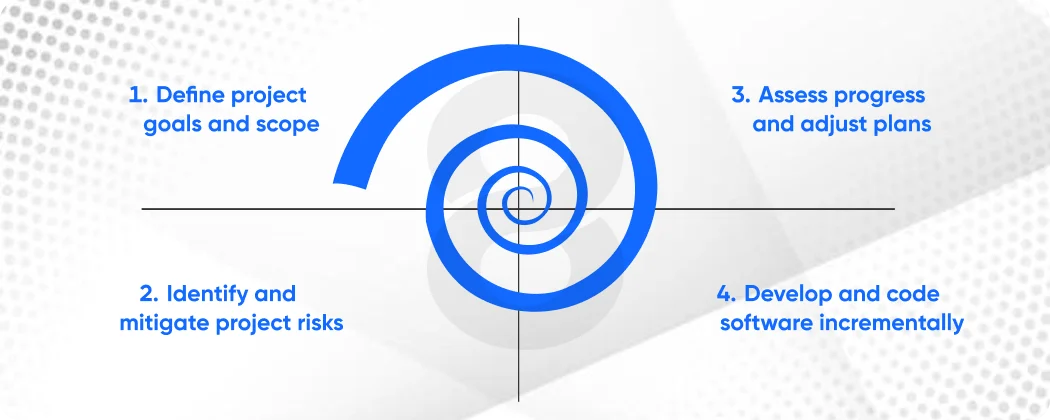
The spiral model is a combination of risk analysis and formal iteration. Every cycle entails the planning, risk assessment, prototyping, and evaluation.
Benefits
- Suitable with risky projects
- Adapts well to change
- Assures extensive validation
Challenges
- High cost
- Needs level-headed risk managers
- Difficult to plan long-term
Best suited: Enterprises with complex systems, financial systems, and R&D.
6. Big Bang Model: Best in Simple or Experimental Construction
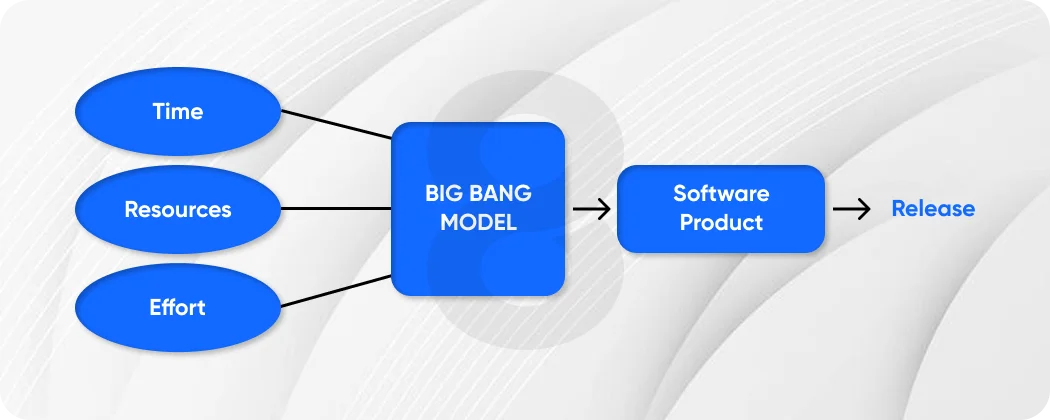
The Big Bang model does not include planned planning. Development starts as soon as possible and with little process.
Benefits
- Fast to start
- Excellent in experimental constructions or extremely small constructions
- Flexible and lightweight
Challenges
- No predictability
- Poor scalability
- High risk of rework
Ideal usage: student projects, prototypes, and non-critical MVPs.
7. Prototype Model: Constructing Primary Visualizations
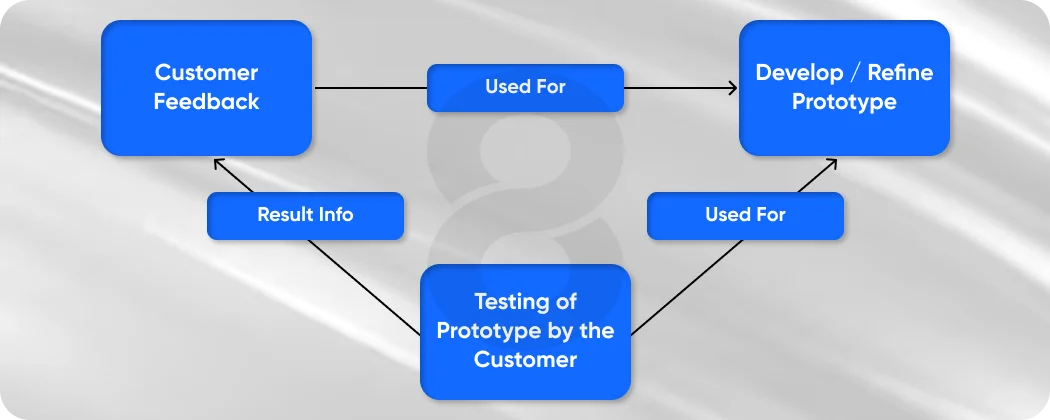
This model focuses on the design of a working prototype as a model requirement that is developed as an early phase in the software development life cycle.
Benefits
- Enhances the accuracy of the requirements
- Enhances user involvement
- Minimizes the misunderstanding of expectations
Challenges
- The prototyping that is over-engineered consumes time
- Users are likely to misjudge prototypes with the final product
- Needs an experienced UI/UX resource
Best use: Applications that have uncertain requirements, user-friendly applications, or complicated user interfaces.
8. Rapid Application Development (RAD): Fast Over Paperwork
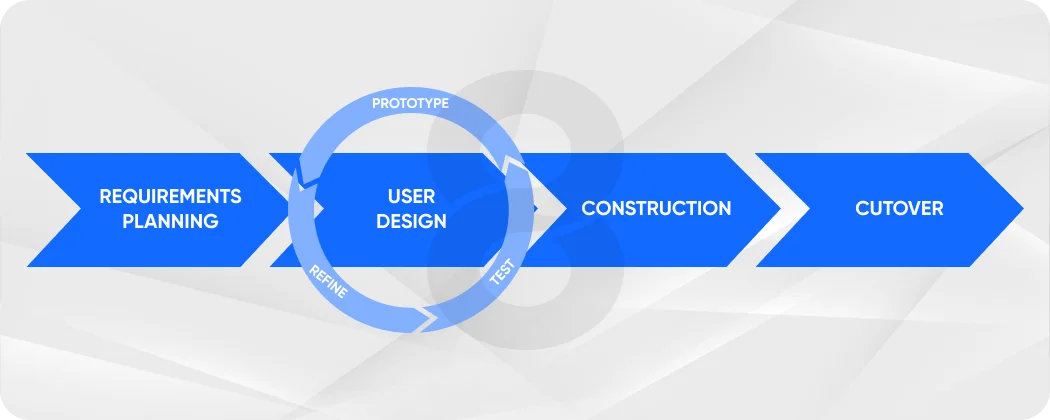
RAD gives preference to heavy planning over rapid prototyping and fast developing cycles.
Benefits
- Faster delivery
- Strong user involvement
- Adaptable to change
Challenges
- Needs competent developers.
- The large or complex systems are not ideal.
- Poor documentation
Best in: Small teams, interactive applications, and small timeframes.
9. Rational Unified Process (RUP): Midground and Structured
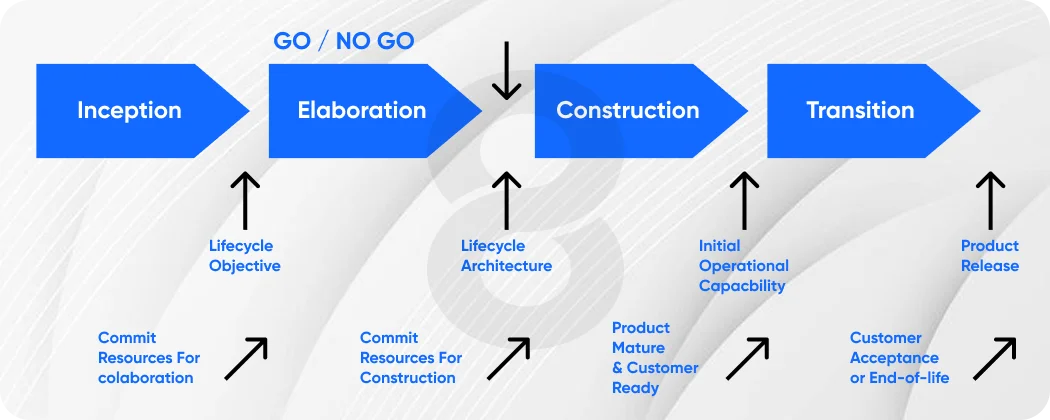
RUP is a combination of iterative and structured practices. There are inception, elaboration, construction, and transition phases in work.
Benefits
- Strong documentation
- Flexible iteration
- Serves large, complex systems
Challenges
- Heavy and process-intensive
- Second, it needs skilled project managers
- Slower than pure Agile
Best: Enterprise solutions and the need to trace and have architectural discipline.
10. Scrum: The Most Popular Agile Framework
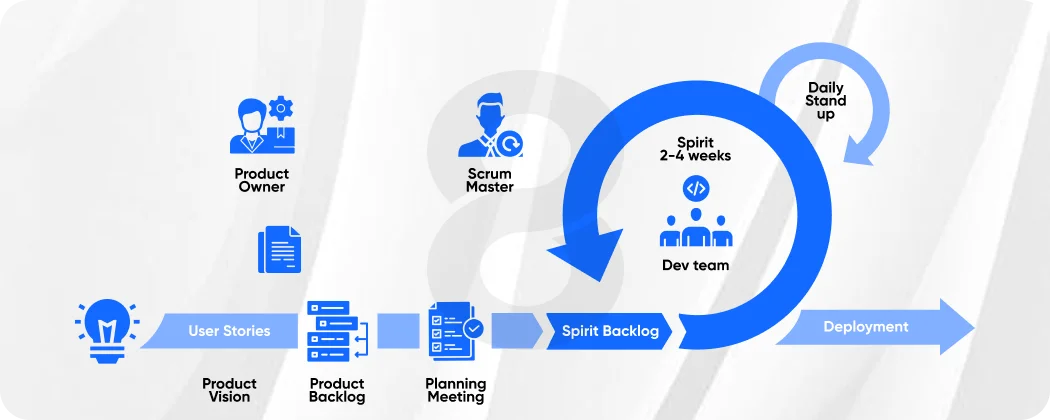
The way Scrum structures work has fixed-length sprints that are regularly reviewed and collaborated on.
- Highly adaptive
- Clear roles and rituals
- Transparent progress
Challenges
- Requires Agile maturity
- Requires the presence of active stakeholder participation
- Without discipline, it may be disorderly
Best on: SaaS applications, user-facing functions, and emerging digital products.
11. Extreme Programming (XP): High Discipline, High Flexibility
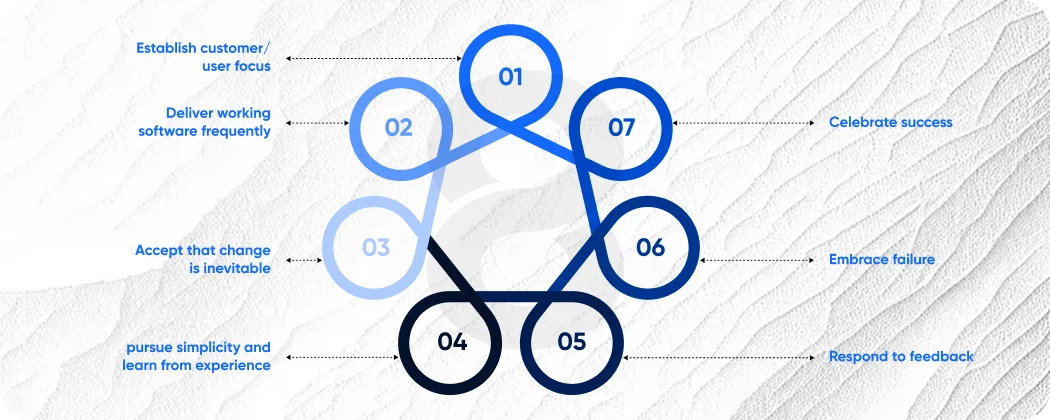
XP uses 1–2 week iterations, heavy user collaboration, TDD, pair programming, and continuous integration.
Benefits
- Exceptional code quality
- Accommodates rapid change
- Promotes the excellence of engineering
Challenges
- Needs twenty-four-hour customer access.
- Resource-intensive
- Hard for distributed teams
Ideal: Small, co-located teams that provide complex or rapidly evolving features.
12. Kanban: Flow Process without Sprints
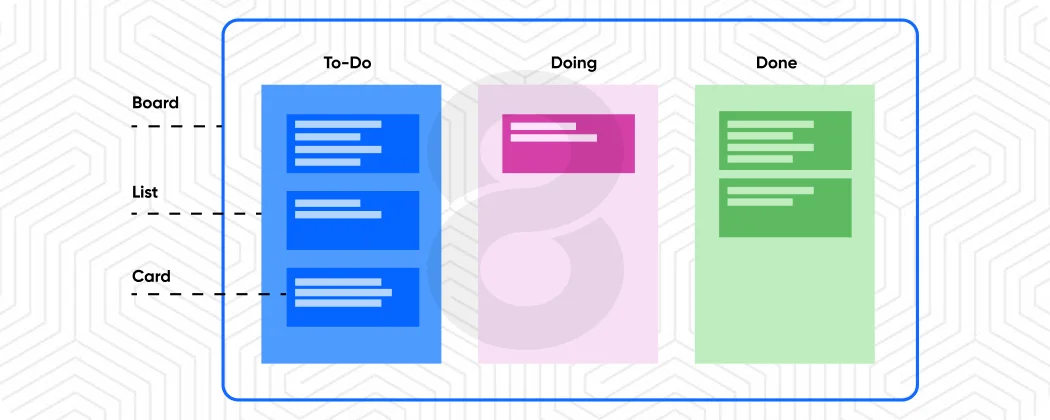
Kanban visualizes tasks on a continuous flow board, helping teams track progress in real time.
It limits work-in-progress to reduce bottlenecks and maintain a smooth, steady delivery pace.
Benefits
- Flexible and fast
- Highly transparent
- Suitable when the workload is unpredictable
Challenges
- No built-in deadlines
- Needs effective self-management
- Risk of unprioritized work
Best in: Support, maintenance, DevOps operations, and continuous delivery teams.
13. Agile Unified Process (AUP): Lightweight RUP
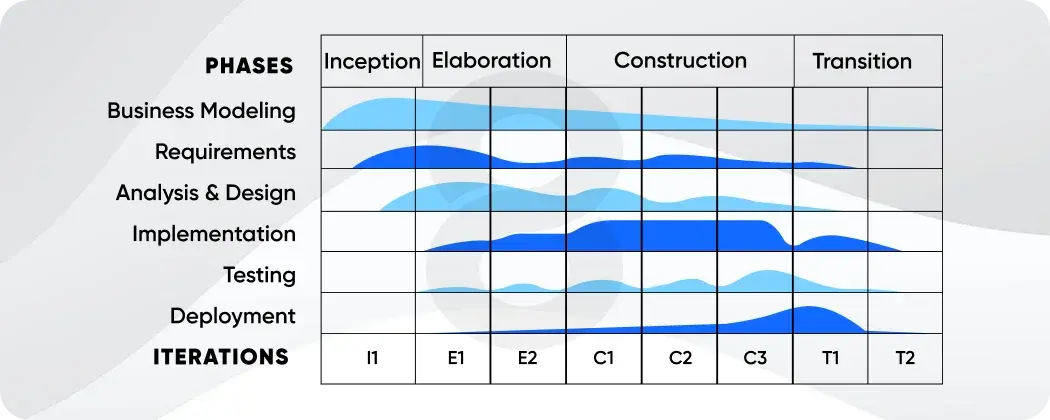
AUP transforms the Rational Unified Process (RUP) into a less complex, Agile-based approach. It maintains the phase discipline in RUP and minimizes documentation and allows repetitive development.
Benefits
- Keeps essential structure
- Gives flexibility of iteration
- Reduced documentation costs compared to RUP
Challenges
- Needs competent project managers
- Nevertheless, it is still heavier than Scrum or XP
- Best situations Mid-scale projects that require a balance between structure and agility
14. Scaled Agile Framework (SAFe): Agile at the Enterprise Level
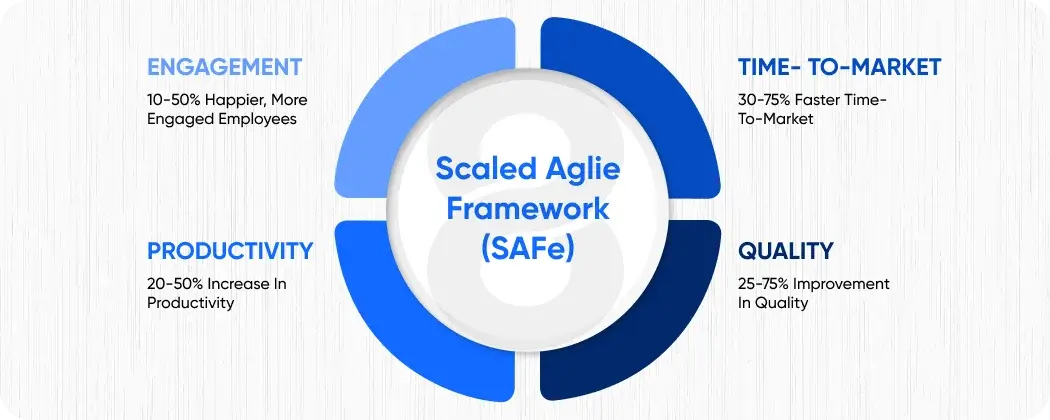
SAFe assists large companies in adopting Agile on a large scale with numerous teams, programs, and departments. It introduces order, coordination, and coordinated provision in multifaceted enterprise ecosystems.
Benefits
- Aligns dozens of teams
- Improves coordination
- Offers predictable scaling
Challenges
- Very complex to implement
- Needs organizational purchase-in.
- Heavy governance
Best: Best when there are several development streams parallel within the business.
15. Feature-Driven Development (FDD): Feature-Centric Delivery
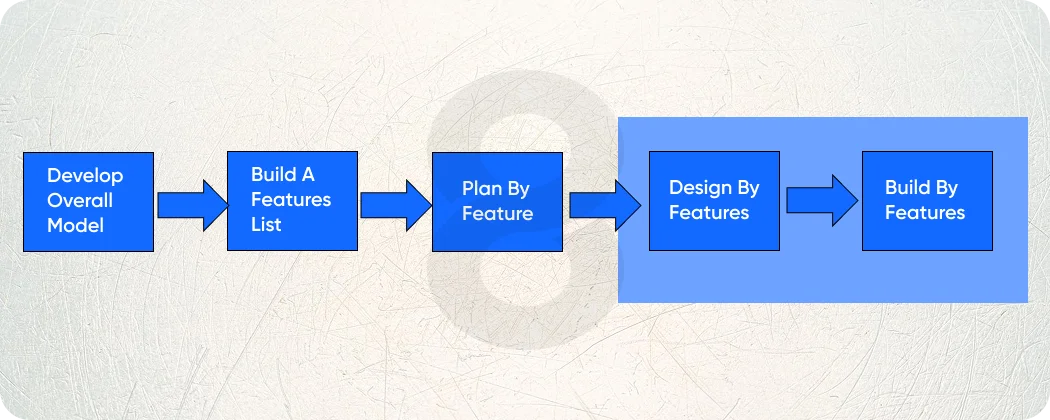
FDD develops by structuring around small features of value to clients. It is based on good modeling and a repeatable and short delivery cycle which gives predictability to large engineering teams.
Benefits
- Predictable and structured
- Feature-focused
- Good for large teams
Challenges
- Less flexibility than Scrum
- Requires upfront modeling
Best when: There are distinct feature sets in a large object-oriented system.
16. Lean Software Development: Eliminate Waste
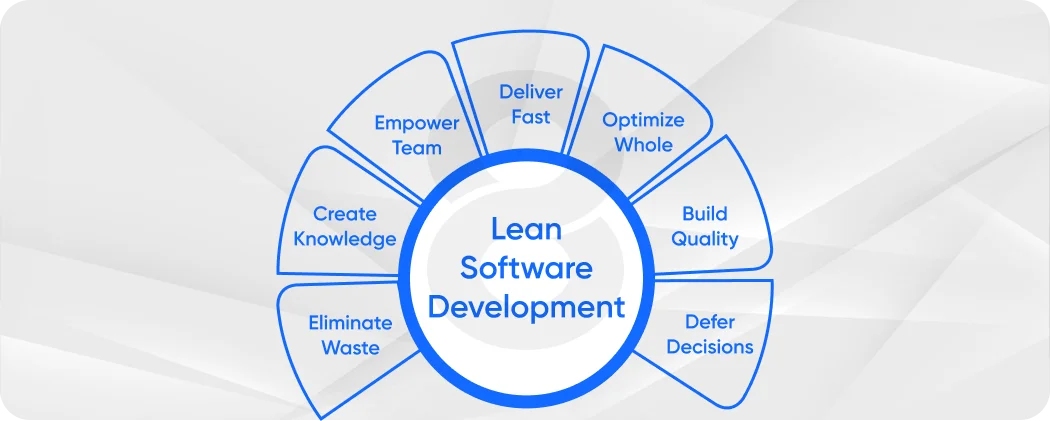
Lean is a method that is designed to decrease wastage, enhance flow, and empower teams to produce faster without reducing quality. It focuses on constant improvement and maximization of customer value.
Benefits
- Faster delivery
- Reduced inefficiency
- High-quality output
Challenges
- Requires strong culture
- Difficult to implement in inflexible settings
Best use of: Teams that prefer quicker cycles and a reduced number of bottlenecks.
17. DevOps Model: Development Operation Collaboratively
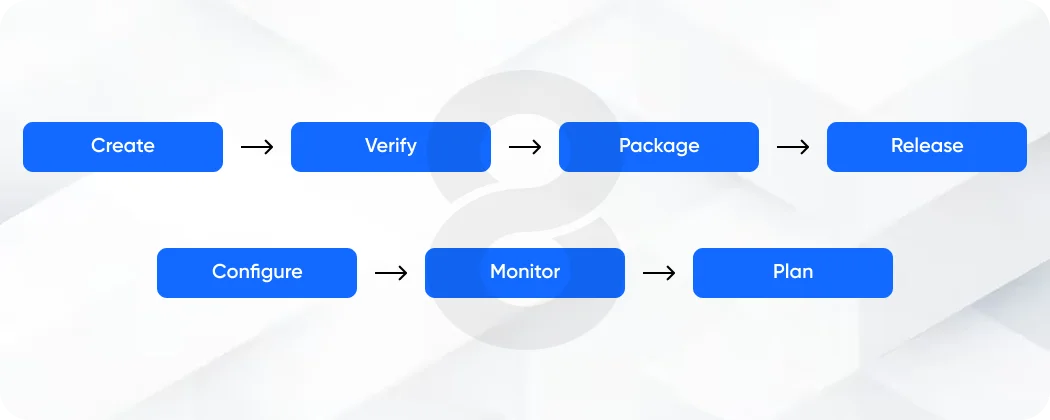
DevOps is an amalgamation of development, operations, automation, testing, and monitoring into a continuous process. It fills the gaps between teams and delivers faster and more reliably.
Benefits
- Faster releases
- Better reliability
- Continuous improvement
Challenges
- Needs to invest in tooling
- Requires great culture change
Best use: SaaS applications, cloud applications, CI/CD.
18. Dynamic Systems Development Model (DSDM)
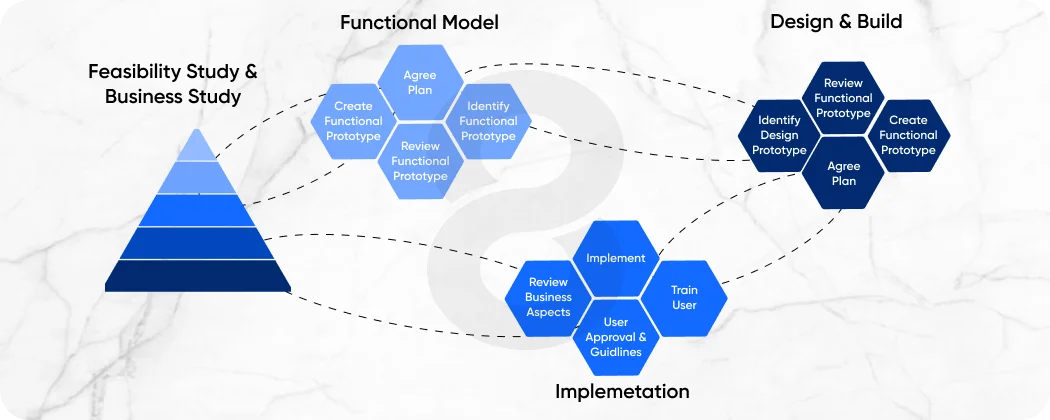
DSDM is an Agile model that emphasizes rapid delivery with fixed time, cost, and resources. It focuses on high user involvement, timeboxing, and high prioritization.
Benefits
- Time-boxed
- Strong user involvement
- Clear prioritization
Challenges
- Requires dedicated users
- Heavy governance
Most suitable: Projects with tight deadlines and involving active collaboration of users.
19. Crystal Method: People-Centered and Adaptable
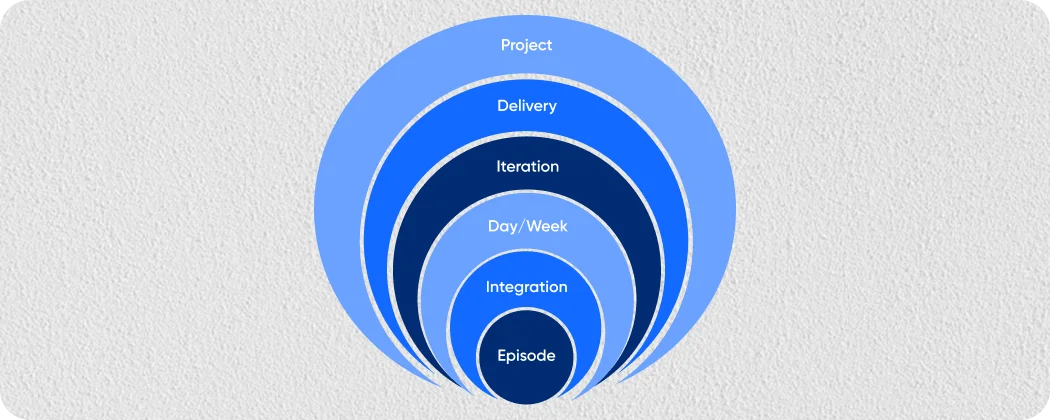
Crystal values communication, interaction within the team, and flexibility more than strict guidelines. It is scaled according to project size and project criticality, providing lightweight guidance applicable to changing environments.
Benefits
- Lightweight
- Adaptable
- Encourages collaboration
Challenges
- Organization of big teams with Lacks.
- Hard to standardize
Ideal use: Small teams and projects that are characterized by fast-changing requirements.
20. Hybrid SDLC Model: Adapted to Real Life
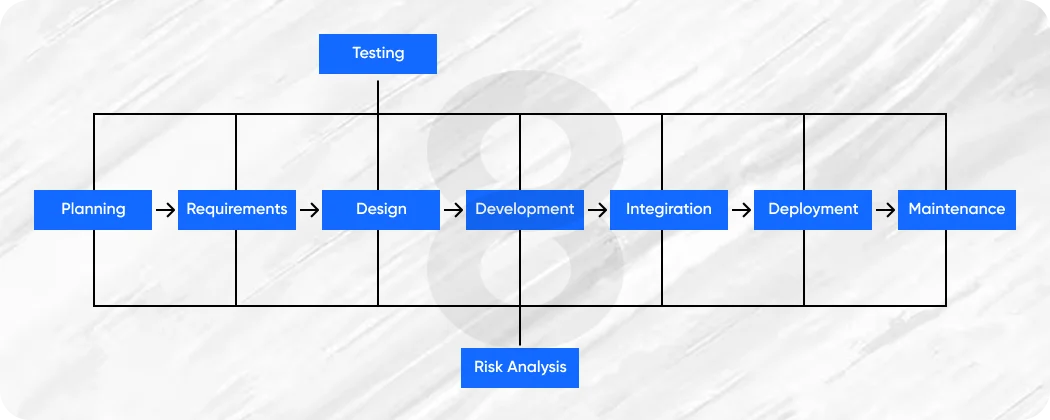
Hybrid SDLC combines various software development life cycle models to be in line with the complexity of the real world. Waterfall is a popular planning tool, Agile is a popular development tool, and Kanban is a popular operation tool that is often used by teams.
Examples
- Waterfall + Scrum
- Scrum + Kanban (Scrumban)
- Waterfall planning – Agile development – Kanban support
Benefits
- Flexible and practical
- Best suited to long-term projects
- Organizes the balance between flexibility
Challenges
- Needs a competent leadership
- Difficult to handle without definite limits
Best use: Multi-phase projects, enterprise ecosystems, and teams that deal with innovation and maintenance.
How to Choose the Right SDLC Model
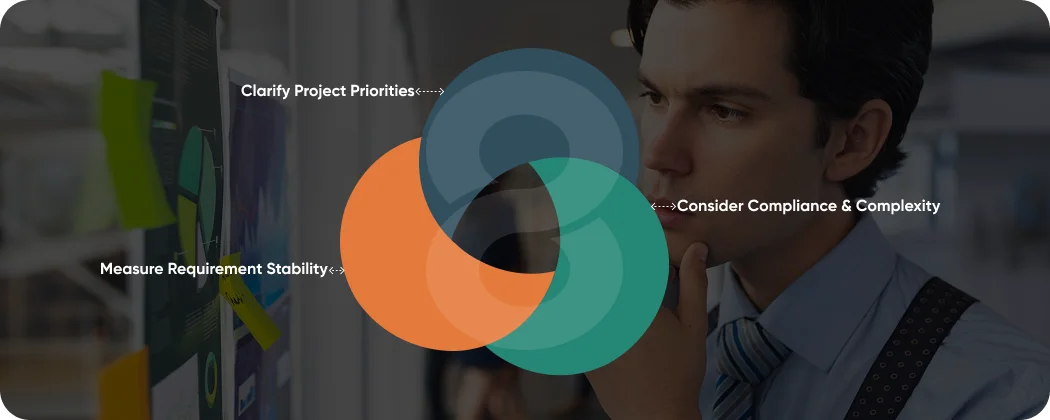
1. Clarify Project Priorities
- Need fast MVP? – Scrum, Incremental, Iterative
- Need strict predictability? – Waterfall, V-Model
- High uncertainty? – Spiral, XP
- Need continuous delivery? – DevOps, Kanban
2. Measure Requirement Stability
- Stable – Waterfall, RUP
- Morphing – Agile models, Iterative, Spiral
3. Consider Compliance & Complexity
- Regulated – V-Model, RUP
- Incremental, Scrum – Modular systems
- Enterprise scale – SAFe, Hybrid
Conclusion: Use SDLC Models Strategically
There are software development life cycle models that are designed to minimize risk and enhance clarity and efficiency in deliverability. Although Agile is paramount in development today, a structured model is not useless, particularly in a development environment with high predictability or compliance. Hybrid methods usually result in the best outcomes, as teams can make changes in the phases of the software development life cycle as the project requirements change.
The selection of an appropriate model would mean improved estimates, improved partnership, enhanced software quality, and more natural releases, which are necessary in long-term product success. 8ration is your trusted partner in navigating every stage of your software development journey.