



There are six simple steps to get a crypto wallet: select a wallet type, choose a provider, purchase or download the wallet, install it, secure your recovery phrase, and receive your first cryptocurrency.
The cryptocurrency world has transformed our perspective on money, investments, and ownership of things electronically. The question of the unavoidable interest of more people entering the crypto space is how to acquire a crypto wallet. No matter whether you are a full-fledged novice or you want to make your digital assets safer, knowledge of cryptocurrency wallets will help to safeguard your investments and engage in the decentralized financial system.
The Crypto Wallets Market is estimated to be valued at USD 1.8 billion in 2025 and is projected to reach USD 4.2 billion by 2035, registering a compound annual growth rate (CAGR) of 8.9% over the forecast period.
What Is a Cryptocurrency Wallet?
Prior to delving into the particulars of acquiring a crypto wallet, it is essential to comprehend the interpretation of a cryptocurrency wallet and its operation. A cryptocurrency wallet can be described as a computer-like gadget that gives you the ability to keep, transfer, and accept digital currencies such as Bitcoin, Ethereum, and a lot of other cryptocurrencies. Unlike a traditional wallet, in which there is a coin repository, a crypto wallet is one without one. Instead, it has cryptography keys that prove that you are the owner of any digital assets on your blockchain. That is why the cryptocurrency wallet development is not limited to safe key management but also includes the development of user-friendly interfaces enabling users to transact with blockchain networks safely.
Consider the cryptocurrency wallet as a key ring and no longer a wallet. In your crypto wallet, there are two sets of keys: a public one (in other words, your bank account number) that is used by other users to send you cryptocurrency. And a private one (in other words, your PIN or password) that you rely on to access and transfer your funds. The protection of your online resources is solely in your ability to ensure the safety of your keys.
The concept of a cryptocurrency wallet also implies an understanding of the fact that wallets may be of various types with varying levels of security, the ability to access them, and applications. When using mobile applications or hardware, users should choose a wallet based on their needs, technical skills, and the amount of cryptocurrency they plan to hold.
Read More: List of Best Mobile Banking Apps to Inspire Your Fintech Solution
Types of Cryptocurrency Wallet Apps
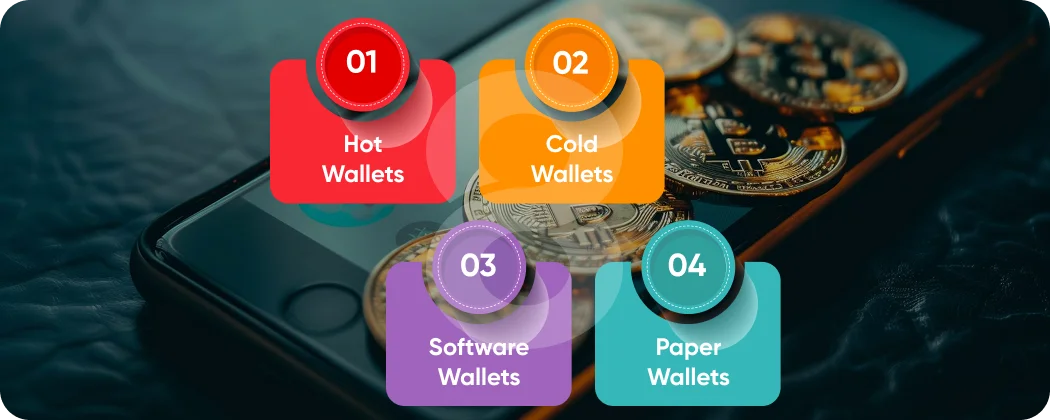
In trying to understand how to acquire a crypto wallet, you will soon realize that several types of wallets are in existence, each having its own purpose and security needs.
1. Hot Wallets
Hot wallets are linked to the internet, which makes them easy, fast, and convenient for daily use and frequent transactions. There are instances of mobile applications, desktop applications, and online wallets. The hot wallet category most popularly features MetaMask, Trust Wallet, and Coinbase Wallet as crypto wallets. Hot wallets can store a small amount of cryptocurrency with the intention of using it for regular trading, shopping, or interacting with decentralized applications (dApps) in general.
2. Cold Wallets
Physical gadgets that store your own keys offline are referred to as cold wallets or hardware wallets. They offer the best security features since your keys do not have any contact with internet-connected devices. The hardware crypto wallets that are the most popular are Ledger and Trezor. Cold wallets are suitable for storing large amounts of cryptocurrencies long-term.
3. Software Wallets
Software wallets are programs that you install on your smartphone or your computer. They provide an option between a high level of security and convenience, which makes them a favorite choice of both novices and expert users. Software wallets may be a convenient first step into managing crypto assets when it comes to relevant parameters, like how to get a cryptocurrency wallet.
4. Paper Wallets
Physical documents that hold your public and private keys, which could be in the form of QR codes, are paper wallets. Although totally offline and indisputable to hacking, they can be damaged or lost, which is not as popular in the current cryptocurrency management.
How to Get a Crypto Wallet: Step-by-Step Guide
Having known what a cryptocurrency wallet is, now is the time to discuss the steps that allow you to obtain a crypto wallet and begin protecting your online assets.
Step 1: Select the type of wallet to buy
The initial process of how to get a cryptocurrency wallet is to choose a type of wallet that suits your lifestyle. Consider these factors:
- Security requirements: What would be the amount of cryptocurrency you will store?
- Accessibility requirements: Does your money require regular access?
- Technical skills: Can you cope with complicated security protocols?
- Supported cryptocurrencies: Does the wallet support every coin that you intend to have?
To a beginner who has been introduced to how to get a crypto wallet, it is usually reasonable to start with a good software wallet or mobile application. As your investments increase, you will be able to move to the hardware wallets that are more secure.
Step 2: Shopping and Choosing a Wallet Provider
Research is the most important thing in finding out how to get a cryptocurrency wallet. The most used crypto wallets have a reputation, a good security history, and a vibrant user base. Reviews, audit security reviews, and ensure that the wallet is open-source in case transparency is a concern to you. The most popular crypto wallets are:
- MetaMask: Superscript owing to Ethereum and ERC-20 tokens, with mobile and browser extensions.
- Trust Wallet: Multi-cryptocurrency and multi-blockchain mobile wallet
- Ledger Nano X: An upscale hardware wallet that is wireless
- Trezor Model T: A touchscreen wallet that is secure and has powerful security capabilities
- Exodus: A desktop and mobile wallet that allows users to exchange content
Step 3: Select or Buy Your Wallet
In the case of software wallets, to know how to acquire a crypto wallet, it is only necessary to download the app from official sources. Always do not download wallet software on third-party websites or app stores except from legitimate sources, such as the Apple App Store or Google Play Store.
The use of crypto users falling prey to phishing attacks is not uncommon, and downloading the fake wallet application can lead to the immediate loss of money. Users can buy hardware wallets directly from the manufacturer’s official website. Users should not buy hardware wallets from third-party vendors on platforms like Amazon or eBay, because these vendors may modify or compromise the devices.
Step 4: Use and Install Your Wallet
The cycle of obtaining a cryptocurrency wallet proceeds to adequate installation and setup. The first time that you open your wallet app or plug in your hardware, you will be taken through the initialization step. This typically includes:
- Development of a powerful password or PIN
- Creating your recovery phrase (also referred to as a seed phrase)
- Validating your recovery phrase
- Installing more security capabilities, such as two-factor authentication
Step 5: Secure Your Wallet
The most important thing to know about acquiring a crypto wallet and taking care of it is security. These are the necessary security measures to implement:
- Use powerful and exclusive passwords that you do not use elsewhere
- Activate all possible security measures, such as biometric authentication
- Always make sure to upgrade your wallet software with the latest security patches
- Provide a special email address to use when doing crypto activities
- Where possible, enable two-factor authentication
- Watch out for phishing attempts and bad links
Step 6: Accept Your Cryptocurrency
When you know how to set up a cryptocurrency wallet, and you have already completed the setup, then you are ready to receive money. Your wallet provides a receiving address (public key), which you can share with others who want to transfer cryptocurrency. Always verify addresses before proceeding with transactions because transactions involving cryptocurrencies are permanent.
Read More: 20 Best Crypto Apps to Inspire Your Next Blockchain Project
The Most Popular Crypto Wallets: In-depth Review
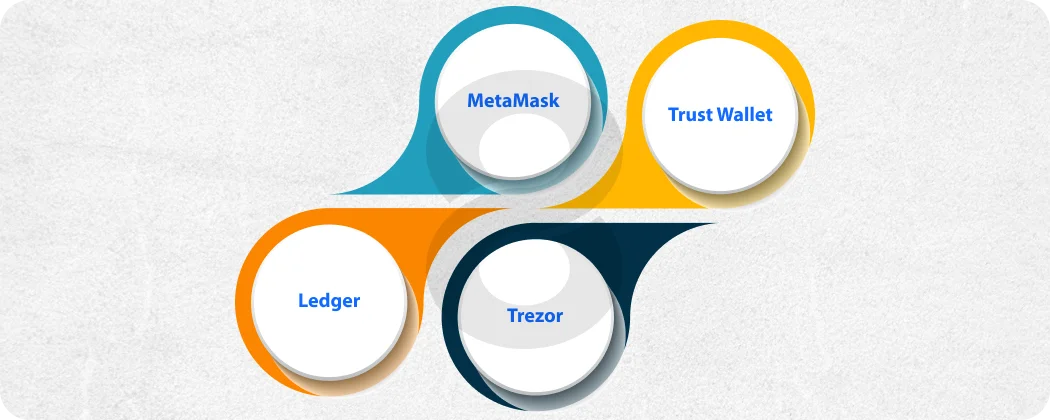
The knowledge of the most popular crypto wallets will assist you in making a successful choice regarding the way you will acquire a crypto wallet that will meet your requirements.
1. MetaMask: The Gateway to Web3
It is now identified with Ethereum and decentralized finance. It is a crypto wallet browser extension and mobile app that is among the most used for interacting with dApps, NFT marketplaces, and DeFi protocols. MetaMask’s user-friendly interface makes it a strong option for first-time users who want to understand how to obtain a cryptocurrency wallet, while its advanced features also support professional users.
2. Trust Wallet: Mobile-First Convenience
The Binance purchase of Trust Wallet is one of the most popular mobile crypto wallets. With a range of solutions supporting more than 4.5 million digital assets on various blockchains. Trust Wallet serves as a full-fledged solution to all who may be looking for how to acquire a crypto wallet that is able to work with diverse portfolios. It has an inbuilt Web3 browser that can directly engage with decentralized applications.
3. Ledger: Hardware Security Industry Leading
To individuals who are serious about security, Ledger is regarded as the gold standard among the most popular crypto wallets. In terms of the method of storing a large amount of cryptocurrency, hardware cryptocurrency wallets such as the Ledger Nano S Plus or the Ledger Nano X can offer a high level of security in the form of a secure element chip. Ledger devices support thousands of cryptocurrencies and integrate with crypto banking apps and digital asset development programs.
4. Trezor: Open-Source Security Pioneer
Trezor was the first to introduce the hardware wallet, and it continues to be one of the favorite crypto wallets of those with high security needs. The wallet uses open-source firmware that the community can scrutinize, making the security implementation fully transparent. Trezor devices also work well with DeFi staking platforms, allowing users to earn passive income while maintaining full custody of their assets.
Read More: 30 Best Cryptocurrency Wallet Apps to Inspire Your Next App
Advanced Security Tips for Your Crypto Wallet
Having learned how to get a crypto wallet, your security is the first task. Securing the digital assets must be on continuous watch and best practices.
1. Multi-Signature Wallets
To increase security, users should consider multi-signature (multisig) wallets, which require multiple approvals before executing transactions. This is one of the best features to use by businesses or individuals that have to handle huge amounts of cryptocurrency. Understanding what a multi-signature cryptocurrency wallet can do helps users avoid breaches, even if one of the keys becomes compromised.
2. Regular Security Audits
Look at your security routine periodically, change passwords, and ensure that your recovery phrases are safe and accessible. Discussing the process of acquiring a cryptocurrency wallet, many users pay no attention to the fact that security should be maintained constantly.
3. Segregation of Assets
Do not keep all of your online resources in one wallet. Store the small amounts required daily in hot wallets and other long-term holdings in cold stores. This is a plan that is core to the concept of what a cryptocurrency wallet ecosystem is, to reduce the risk exposure.
4. Backup Strategies
Enact duplicate backup systems on your recovery phrases and wallets. Back up the stores in different locations, preferably those that are not close. Bear in mind that you can use metal backup solutions that save your recovery phrase against fire and water damage.
Integration with Modern Development Solutions
The development of cryptocurrency wallets has advanced into advanced development ecosystems. When companies and developers consider how to have a crypto wallet infrastructure on their platforms. One of the options they consider is specific crypto wallet app development services that offer a custom approach to crypto wallet infrastructure with enterprise-level security measures.
The contemporary wallets are also developed to be part of larger financial systems. Indicatively, global digital asset development platforms currently used by crypto banking apps provide full service. By integrating standard banking applications with the use of the cryptocurrency wallet as hybrid services. Providing users with the ability to use the same application to handle both fiat and digital currencies.
To individuals who may be keen on earning passive income using their digital assets, it is necessary to know how to acquire a cryptocurrency wallet that supports staking. Numerous of the most famous crypto wallets today are being interconnected to the DeFi staking platform services, where users are not only able to earn rewards, but they are also in control of their own private keys.
Common Mistakes to Avoid
In learning how to get a crypto wallet, there are these pitfalls most of the time:
Failing to Back Up Recovery Phrases
The greatest error that users commit is the inability to back up their recovery phrases adequately. In the event of loss of your device, there is no backup, and you will not be able to access your money anymore. What cryptocurrency wallet is without an adequate backup? It’s a ticking time bomb.
Storing long-term in Exchange Wallets
Although exchanges are trusted with wallet services, you do not have control over your own private keys. The mantra of cryptocurrency not your keys, not your coins has a reason. In view of the question of how to acquire a cryptocurrency wallet, solutions in which you have control over your own private keys would be of paramount importance.
Falling for Phishing Scams
Cryptocurrency phishing attacks are advanced and numerous. Always leave out of doubtful links and always make sure that you are on the legitimate site when you are accessing your wallet. Learning to acquire a crypto wallet safely involves identification and mitigation of social engineering attacks.
Exchanging Recovery Phrases or Private Keys
Your recovery phrases and private keys must not be disclosed to anyone, not even customer support representatives. There will never be a time when legitimate providers of wallets will request such a thing. It is never genuine when a person asks you to give your personal keys.
Using Weak Passwords
The security of your wallet depends on the strength of your password. Each crypto service should have a unique, very difficult password, and it is better to use a decent password manager to keep track of them.
According to Market Research Future analysis, the Crypto Wallet Market Size was estimated at $13.82 billion in 2024. The Crypto Wallet industry is projected to grow from USD 17.02 billion in 2025 to USD 135.98 billion by 2035, exhibiting a compound annual growth rate (CAGR) of 23.1% during the forecast period 2025-2035.
The Future of Cryptocurrency Wallets

With the development of blockchain technology, the definition of a cryptocurrency wallet keeps increasing. Emerging trends include:
Social Recovery Mechanisms
Biometric Security
The latest crypto wallets include facial recognition and fingerprint scanning, adding convenient layers of protection while maintaining strong security.
Cross-Chain Compatibility
Cases of integrating multiple blockchain networks into modern wallets are on the rise, removing the necessity of having different wallets that are compatible with different cryptocurrencies. The creation is making the process of acquiring a cryptocurrency wallet easier to support everything that you may need in digital assets.
Identity Integration Decentralization
Future wallets will likely incorporate the concept of decentralized identity. The user is in control of not only their digital assets but their entire digital self, functioning via a single secure interface.
Read More: 15 Fintech Industry Trends for Innovative App Development
Build Your Next Secure Crypto Wallet with 8ration
At 8ration, we develop innovative blockchain applications, which enable businesses and individuals to navigate the cryptocurrency market with confidence. We have experience in building a full-fledged crypto wallet application, an innovative crypto banking application. And a strong DeFi staking platform solution to satisfy the latest demands of the digital asset ecosystem.
You need to know how to obtain a crypto wallet to use in personal life or find enterprise-level wallet infrastructure to support your business. 8ration provides scalable, secure, and easy-to-use solutions. We secure your digital assets using top-tier cryptographic solutions and industry best practices, backed by advanced technical expertise.
Need to take your cryptocurrency management levels higher? Collaborate with 8ration to create bespoke wallets, implement blockchain technology into your business processes, or create all-inclusive digital asset management systems that put new security and functionality benchmarks in the crypto environment.