


Most fashion brands still treat apps like an extension of their website. That approach worked years ago when expectations were lower and user behavior was simpler. It does not work anymore. Users today are not opening apps just to browse products. They are opening them expecting speed, personalization, relevance, and a reason to come back again without being pushed.
That shift is exactly why android app development for fashion is no longer just a technical investment. It has quietly become a business decision that directly affects retention, conversions, and long-term brand positioning.
Because the difference between an app that gets downloaded and an app that actually gets used daily is not design alone. It is how well the entire system understands the user.
Why Fashion Brands Are Prioritizing Android More Than Ever
Android dominates a large part of the global mobile ecosystem, especially in markets where fashion eCommerce is growing aggressively. That alone makes Android app development for fashion a strategic move rather than an optional channel. But the real reason goes deeper than market share.
Android gives brands more flexibility in how they build, scale, and distribute their apps. It allows deeper customization, broader device compatibility, and better adaptability across different user segments. That matters when your audience is not uniform, and your product catalog is constantly evolving. At the same time, users expect consistency.
They expect your app to load fast, show relevant products, remember preferences, and make purchasing feel effortless. That expectation does not come from your competitors alone. It comes from every other app they use daily.
Which means your app is not competing with fashion brands. It is competing with the best digital experiences your users have ever had.
What Android App Development for Fashion Means in Practice
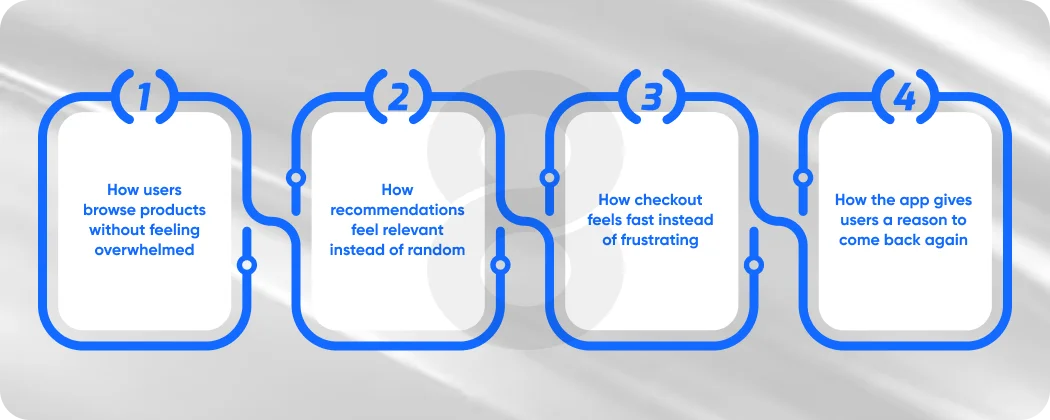
A lot of people still reduce this to building a shopping app. That is a very limited way to think about it. In reality, Android app development for fashion is about building a system that connects discovery, engagement, and purchase into one continuous experience without friction.
That includes:
- How users browse products without feeling overwhelmed
- How recommendations feel relevant instead of random
- How checkout feels fast instead of frustrating
- How the app gives users a reason to come back again
Because if those things are not working together properly, the app becomes just another icon on the user’s phone, and unused apps do not generate revenue.
Read More: 15 Apps for Designing Clothes Every Fashion Entrepreneur Should Know
The Shift From Catalog Apps to Experience-Driven Products
Early fashion apps were mostly digital catalogs. Scroll, click, view, maybe purchase. That model is outdated. Today, stronger apps behave more like curated environments. They adapt based on user behavior, preferences, and interactions. That is where AI development starts playing a more practical role.
Instead of showing everything, the app shows what matters. Instead of generic listings, it creates a sense of personalization. Instead of static experiences, it evolves with usage. That shift is not about adding complexity. It is about reducing decision fatigue for users.
Where Most Fashion Apps Quietly Break
This is the part brands usually realize too late. The app looks fine. The products are good. The brand is strong. But usage drops.
That usually happens because:
- The experience feels repetitive after a few visits
- Navigation becomes tiring instead of intuitive
- Recommendations feel irrelevant or forced
- Performance issues create small but consistent friction
None of these problems looks dramatic individually. But together, they slowly push users away. That is why Android app development for fashion needs to focus on long-term usability, not just launch quality.
The Role of System-Level Thinking in App Success
Apps do not exist in isolation anymore. They connect with your broader ecosystem, which includes software development, backend systems, logistics, and customer data platforms. If those systems are not aligned, the app starts showing cracks.
For example:
- Inventory delays affect user trust
- Poor backend logic affects recommendations
- Weak integrations slow down performance
That is why serious fashion brands treat app development as part of a larger system, not a standalone project.
How AI Is Changing Fashion Apps (Without the Hype)
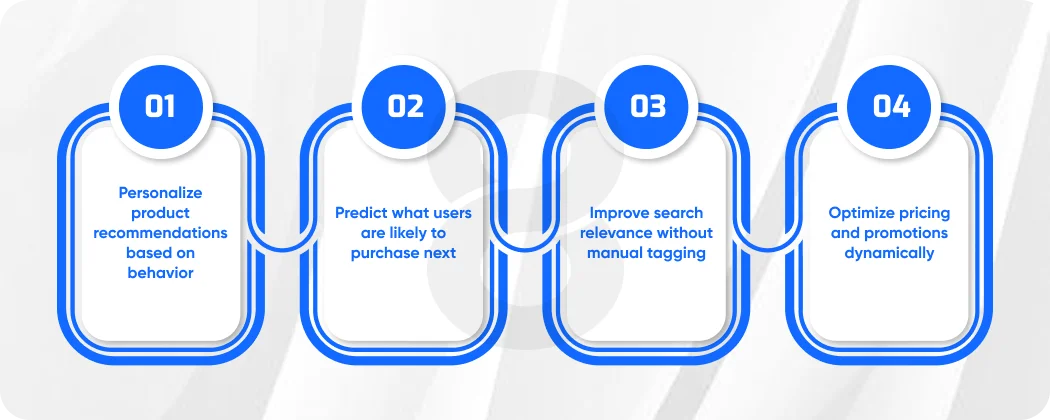
There is a lot of noise around AI integration, but in fashion apps, its value is actually very practical. When applied correctly, it helps:
- Personalize product recommendations based on behavior
- Predict what users are likely to purchase next
- Improve search relevance without manual tagging
- Optimize pricing and promotions dynamically
The key here is subtlety. If users notice the AI too much, it usually means it is not working properly. If everything feels natural, it is doing its job.
Read More: How to Make an Artificial Intelligence in 2026
Mobile Experience Is Now the Brand Experience
For many fashion brands, the app is no longer a support channel. It is the main channel. That is why mobile app development decisions directly affect how the brand is perceived. Slow apps feel cheap. Confusing apps feel unreliable. Smooth apps feel premium. And perception matters in fashion more than most industries. Because users are not just buying products. They are buying into an experience.
Where Enterprise Thinking Comes In
As brands scale, things become more complex. Multiple product categories, regions, supply chains, and user segments start interacting. That is where enterprise app development becomes relevant.
Because now the app needs to:
- Handle higher traffic without breaking
- Support multiple integrations without slowing down
- Deliver consistent performance across regions
This is where weaker systems usually fail. Strong systems adapt.
What Actually Impacts Fashion App Performance
Area |
What Matters |
Why It Affects Growth |
| Speed | Fast loading times | Reduces drop-offs |
| Personalization | Relevant recommendations | Increases engagement |
| Navigation | Simple and intuitive flows | Improves usability |
| Checkout | Minimal friction | Boosts conversions |
| Integration | Connected backend systems | Ensures consistency |
What a High-Performing Fashion App Usually Gets Right
Instead of focusing on features, strong apps focus on flow. They make everything feel connected.
- Browsing feels effortless instead of overwhelming
- Product discovery feels guided instead of random
- Checkout feels quick instead of exhausting
That is what keeps users coming back. Not just discounts. Not just notifications. Experience.
Conversion Section: If Your App Feels Optional, Users Will Treat It That Way
If your app does not give users a clear reason to open it regularly, they will not. It is that simple. The brands that win in 2026 are not the ones with the most features. They are the ones with the most usable systems.
android app development for fashion should not be treated as a one-time project. It should be treated as a continuous improvement system that evolves with user behavior. If your current app feels slow, generic, or disconnected, that is already affecting your growth whether it is obvious or not. Fixing that is not optional anymore.
Common Mistakes That Quietly Kill App Performance
Even well-funded projects fail for predictable reasons.
- Building based on assumptions instead of real user behavior
- Overloading the app with features that add complexity
- Ignoring performance optimization until it becomes a problem
- Treating design as decoration instead of functionality
The worst mistake is building something that looks finished but is not actually usable.
A More Practical Way to Approach Development
Instead of asking “what should we build,” start asking:
- Where are users dropping off right now
- What actions feel slower than they should
- Which features are actually being used
- What part of the experience feels confusing
That is where real improvements come from. Not brainstorming sessions. Actual usage data.
Custom vs Template-Based Fashion Apps
Factor |
Custom App |
Template App |
| Flexibility | High | Limited |
| Performance | Optimized | Generic |
| Scalability | Strong | Restricted |
| User Experience | Tailored | Standardized |
| Long-Term Value | Higher | Declines over time |
Wardrobe Styler Lifestyle App – Our Success Story
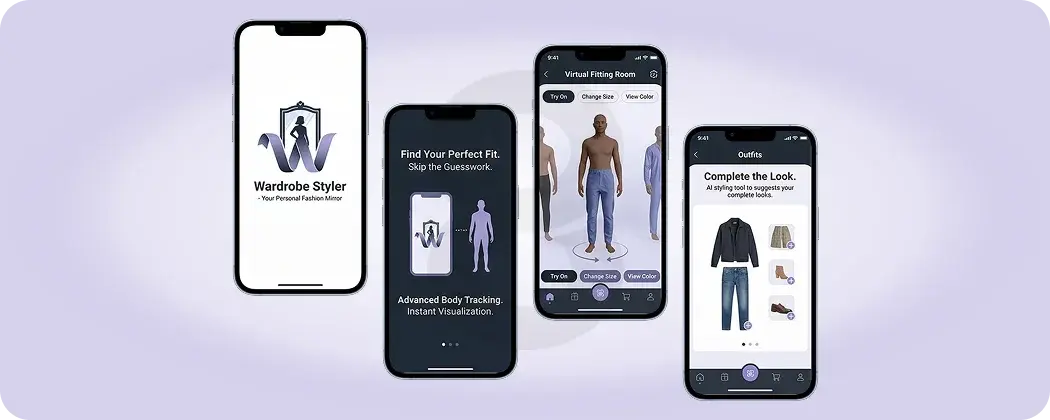
The Wardrobe Styler lifestyle app by 8ration simplifies daily outfit decisions through its ability to transform a user’s closet into a smart, interactive styling platform. The app allows users to create digital versions of their clothing collection, which then provides them with customized outfit recommendations that match their different use cases and style requirements. The system helps users make better clothing choices by decreasing their decision-making load while increasing their ability to use their current wardrobe items.
Key Highlights:
- Digital wardrobe management for easy outfit planning
- AI-driven personalized styling recommendations
- Mix-and-match outfit suggestions based on occasions
- User-friendly and intuitive interface for seamless navigation
- Helps users maximize wardrobe utilization and reduce unnecessary shopping
Final Thoughts
Android app development for fashion is no longer about building something that works. It is about building something that keeps working. That means adapting to users, improving continuously, and focusing on experience instead of just functionality. Because in the end, users do not remember features. They remember how easy something felt to use.