


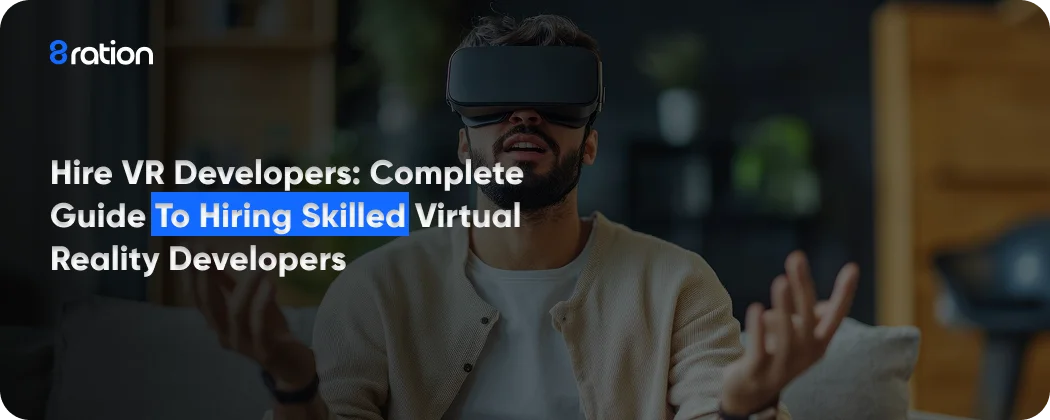
Hiring virtual reality developers feels confusing, stretched, and slightly chaotic sometimes. You try to hire VR developers, but clarity does not come instantly. There is too much noise and not enough grounded, practical guidance. That leads to hesitation, delays, and sometimes expensive hiring mistakes early. This guide keeps things raw, strategic, and actually useful for real decisions.
Virtual reality is growing fast and becoming more commercially relevant globally. Reports suggest the VR market size could cross hundreds of billions soon. That growth pushes companies to hire VR developers more aggressively now. But demand is rising faster than supply in many regions today. That gap creates pressure and increases competition for experienced talent significantly.
Why VR Hiring Feels So Complicated And Slightly Off
It is not just about writing code, that is the first problem. You are dealing with design, hardware, and user perception simultaneously. That combination creates complexity that traditional hiring does not handle well. So when you try to hire VR developers, things feel slightly misaligned.
Statistics show that over 60% of companies struggle to hire immersive talent. Another report suggests nearly 50% of projects face delays due to hiring gaps. These numbers highlight how common this challenge actually is today.
The market is uneven, too, some regions have talent, others do not. That imbalance slows down your ability to hire VR developers efficiently.
Market Demand And Real Growth Indicators
Understanding market signals helps you make smarter hiring decisions early. Data shows VR adoption is increasing across multiple industries rapidly.
Key Statistics
- Over 70% of enterprises are exploring immersive technology use cases.
- Around 40%are already invested in pilot VR development projects
- Training and simulation applications show the highest adoption rates currently
- Healthcare and retail sectors show strong growth in VR implementations
These numbers show demand is not theoretical anymore; it is active. That means you must hire VR developers before competition tightens further.
Read More: How to Hire a Full Stack Developer in 2026
Skills That Actually Matter In Production Environments
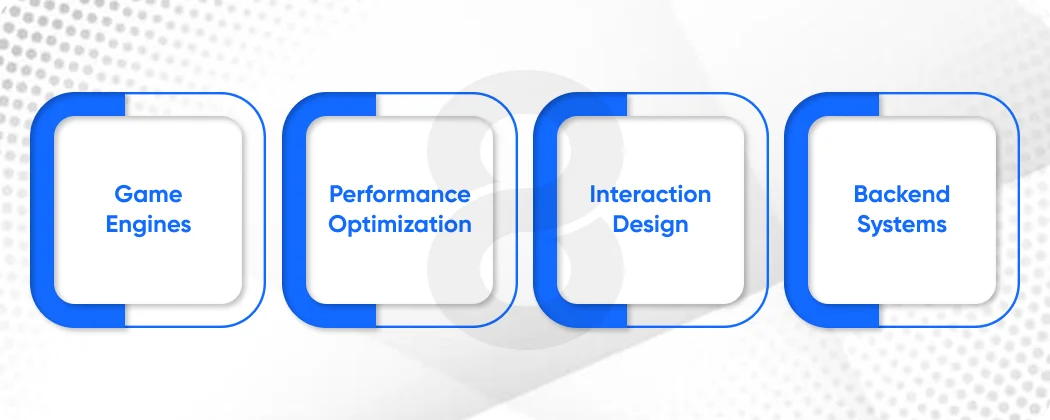
Forget buzzwords, focus on what works in real-world projects. When you hire VR developers, skills must translate directly into outcomes.
Technical Skill Table
Skill Area |
Why It Matters |
What You Should Evaluate |
| Game Engines | Foundation of immersive systems | Unity or Unreal real deployments |
| Performance Optimization | Prevents motion discomfort issues | Frame rate consistency knowledge |
| Interaction Design | Improves usability and retention | Natural flow understanding |
| Backend Systems | Enables scaling and reliability | API and cloud architecture skills |
Performance remains one of the most critical factors in VR development. Studies show poor frame rates increase user drop-off by over 30%. So when you hire VR developers, test optimization thinking deeply.
Also, mobile app development experience adds unexpected value here. Many VR ecosystems rely on mobile layers for support and control. This makes cross-platform thinking extremely relevant in practice.
Read More: Hire Mobile App Developers: Expert Guide
Different Roles You Need To Understand Clearly
Not all developers are interchangeable; that creates hiring confusion often. Understanding roles helps you Hire VR developers more strategically overall.
Role Breakdown
- Immersive developers focusing on interaction and environment logic
- Backend engineers supporting enterprise app development infrastructure
- Technical artists optimizing assets for performance and visual quality
- QA specialists testing across devices and edge cases consistently
Data suggests teams with balanced roles deliver projects 30% faster. That balance reduces bottlenecks and improves coordination across workflows.
Read More: 9 Steps for Startups to Hire the Right App Development Agency
Cost Insights That Actually Reflect Reality
Budgeting feels unclear because surface numbers hide deeper cost factors. Companies underestimate cost when they first Hire VR developers.
Cost Drivers
- Experience level directly impacts speed and quality outcomes
- Location influences both pricing and communication efficiency
- Complexity increases need for niche expertise significantly
- AI integration adds technical layers and development time
Level |
Cost Reality |
| Junior | Lower cost but slower execution speed |
| Mid Level | Balanced cost with steady output |
| Senior | Higher cost but faster delivery and stability |
Research shows poor hiring decisions increase project costs by nearly 40%. That makes careful planning essential before you Hire VR developers.
Where You Actually Find Serious VR Talent
Random job postings rarely attract high quality candidates consistently. You need strategy when you want to hire VR developers effectively.
Talent Sources
- Specialized immersive development communities and forums
- Freelance platforms with verified technical portfolios
- Agencies offering structured teams and delivery frameworks
- Referrals from developers already working in similar projects
Positioning your project clearly increases response quality significantly.
Read More: 10 Top Metaverse Development Companies – 2026 Edition
Interviewing In A Way That Actually Reveals Skill
Interviews often fail because they focus on theory instead of practice. You need structure before you hire VR developers confidently.
Practical Evaluation Methods
- Assign tasks reflecting real product requirements and constraints
- Discuss past projects focusing on decisions and tradeoffs
- Explore performance challenges and optimization approaches deeply
- Evaluate communication with cross-functional team members
Statistics show practical interviews improve hiring accuracy by over 20%. That makes them far more effective than traditional question-based formats.
Read More: 10 Steps to Hire Developers for Startup: The Ultimate Guide
AI Is Becoming A Core Part Of VR Development
This part gets overlooked but it is becoming critical quickly. Modern systems rely heavily on AI development for adaptive experiences.
AI integration allows environments to respond dynamically to user behavior. That improves engagement, personalization, and long-term product value significantly. Developers with these combined skills are becoming increasingly valuable assets. When you plan to hire VR developers, think beyond immediate needs. Future capability matters more than short-term convenience.
Read More: How to Hire AI Developers in USA: A Strategic Approach in 2026
Freelancers vs Full-Time Teams In Practice
This decision depends on goals, timelines, and product complexity levels. Both models work but in different contexts and scenarios.
Comparison
Factor |
Freelancers |
In House |
| Flexibility | Very high and quick | Moderate but stable |
| Cost | Variable based on scope | Fixed and predictable |
| Continuity | Limited consistency | Strong long term retention |
| Scalability | Easy short term scaling | Stable long term growth |
Data shows long term teams improve product stability by over 25%.
Mistakes That Keep Repeating Across Companies
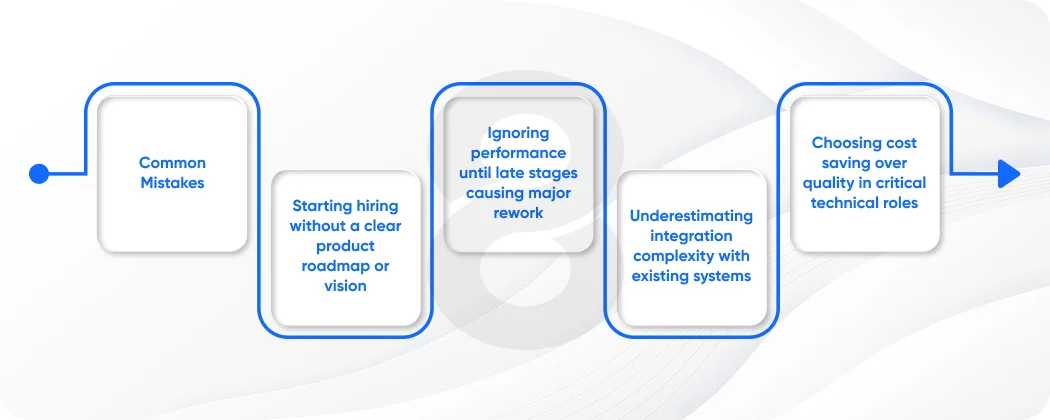
Many companies repeat similar mistakes while trying to scale VR initiatives. Especially when they rush to hire VR developers without proper clarity.
Common Mistakes
- Starting hiring without a clear product roadmap or vision
- Ignoring performance until late stages causing major rework
- Underestimating integration complexity with existing systems
- Choosing cost saving over quality in critical technical roles
Studies suggest nearly half of VR projects face delays due to these issues.
Read More: How to Hire a Software Development Team: A Step-by-Step Guide
Onboarding Developers Properly Matters More Than Expected
Hiring alone does not guarantee productivity or success immediately. Onboarding determines how quickly developers contribute effectively.
Provide documentation, tools, and clear workflows from the beginning. Assign experienced mentors to guide new developers through systems. Strong onboarding improves retention and reduces ramp up time significantly.
Long-term Strategy Changes Everything Over Time
Short-term hiring fills gaps but does not build lasting capability. Smart organizations think ahead when they hire VR developers strategically.
Strategic Focus Areas
- Build internal expertise alongside external hiring gradually
- Invest in training related to AI development and immersive systems
- Align hiring decisions with long term product roadmap
- Focus on retention through growth opportunities and meaningful work
Future Trends You Should Prepare For
The VR ecosystem is evolving quickly and becoming more interconnected. It is merging with AI integration and advanced enterprise app development systems. Developers who understand multiple domains will dominate future demand. That makes hiring strategy even more critical moving forward. To stay competitive, refine how you hire VR developers continuously. Adaptation matters more than rigid processes in this environment.
Time to Make the Right Hiring Move
If you are serious about building immersive products that actually work, then it is time to hire VR developers with the right strategy. Do not rely on guesswork or rushed hiring decisions anymore. Build a team that understands performance, scalability, and user experience deeply. Whether you are starting small or scaling fast, the approach matters.
Final Thoughts
This process will never feel perfectly clean or fully structured. But you can make it clearer, sharper, and more controlled over time. This guide helps you hire VR developers with a real practical perspective. Focus on clarity, skill alignment, and long term value always. Do not rush decisions just to fill gaps quickly.
You now understand how to hire VR developers more effectively. Now it comes down to execution, patience, and smarter decisions daily. Consistency in approach will compound results over time naturally. Take the next step and hire VR developers who can deliver real outcomes. Strong hiring decisions today will define your product success tomorrow.