



Most law firms initially think buying software is the faster and safer decision. And honestly, early on, that usually feels true.
A prebuilt platform seems easier because everything already exists:
- Case tracking
- Document storage
- Billing systems
- Calendar management
- Internal communication
The setup looks straightforward. The problem usually appears later. Because once the firm grows slightly, the workflows become more complex, client expectations increase, and suddenly the software starts forcing the business to operate around its limitations instead of supporting the actual way the firm works.
That is exactly why more legal businesses are now rethinking what the best Case Management Software strategy actually looks like in practice. Because the decision is no longer only about software. It affects operational speed, client communication, scalability, security, and long-term efficiency across the entire firm.
At 8ration, legal-focused systems are usually designed around operational clarity first because legal workflows already carry enough complexity without software creating more friction underneath.
Why Many Law Firms Eventually Outgrow Generic Legal Platforms
This happens constantly across growing firms. The software works fine during the early stages.
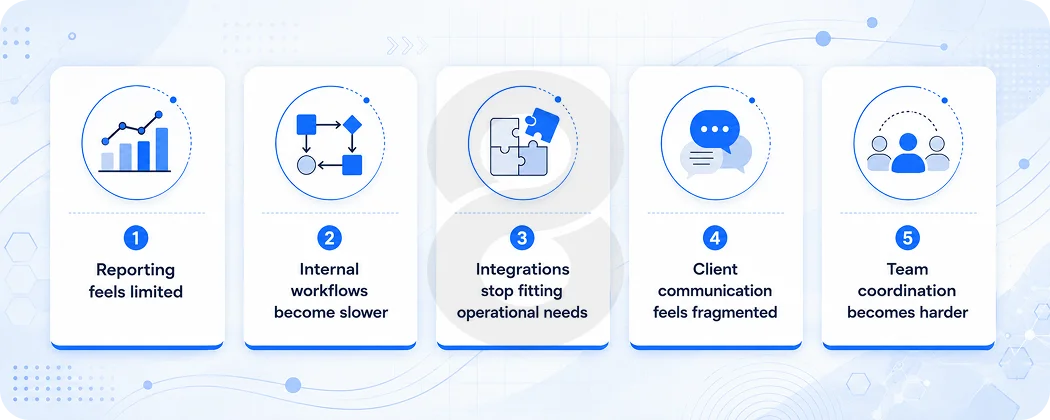
Then gradually:
- Reporting feels limited
- Internal workflows become slower
- Integrations stop fitting operational needs
- Client communication feels fragmented
- Team coordination becomes harder
That usually happens because most generic legal platforms are designed to support broad legal operations generally, not your specific workflow structure. And honestly, every law firm eventually develops operational differences that generic systems cannot fully support long term.
This is exactly where custom Case Management Software becomes increasingly valuable because the platform can match how the firm actually operates instead of forcing teams into rigid workflows.
Build vs Buy Is Really About Operational Control
A lot of businesses frame this decision incorrectly. They compare upfront pricing only. That is not the real comparison.
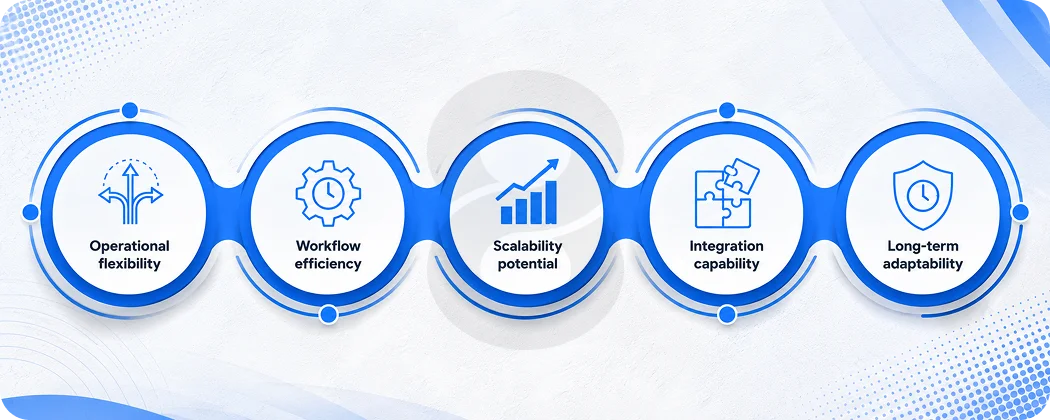
The real comparison is:
- Operational flexibility
- Workflow efficiency
- Scalability potential
- Integration capability
- Long-term adaptability
Buying software usually provides faster setup initially. Building software provides stronger operational alignment long term. That difference matters heavily once firms start scaling.
Because operational inefficiencies inside legal environments quietly create pressure everywhere:
- Delayed communication
- Missed updates
- Slower document access
- Poor reporting visibility
- Administrative overload
That is why stronger software development planning matters much more for legal systems now than firms expected even a few years ago.
Read More: Best Law Firm Billing Software: Why Custom Solutions Beat Off-the-Shelf Tools
Buying Legal Software vs Building Custom Legal Platforms
Area |
Buying Software |
Building Custom Software |
| Setup Speed | Faster implementation | Longer development time |
| Workflow Flexibility | Limited customization | Full operational alignment |
| Scalability | Vendor limitations | Easier long-term expansion |
| Integrations | Restricted compatibility | Fully connected systems |
| Long-Term Control | Platform dependency | Full ownership |
Why Workflow Efficiency Matters More Than Features
A lot of firms make this mistake early. They choose software mainly based on feature quantity. Then later they realize the workflow itself feels frustrating.
For example:
- Too many unnecessary clicks
- Poor document organization
- Slow client access systems
- Difficult reporting structures
- Weak mobile usability
And honestly, legal professionals already work under enough pressure without the system slowing operations further.
That is why stronger Case Management Software focuses heavily on operational simplicity instead of overloaded functionality.
Client Expectations Changed Completely
This shift affected legal businesses heavily.
Clients now expect:
- Faster communication
- Better visibility into case progress
- Secure digital access
- Mobile accessibility
- Faster document exchange
That means law firms increasingly compete through operational experience too, not only legal expertise. This is exactly why stronger enterprise app development strategy now matters heavily for modern legal businesses.
Because disconnected systems quietly affect client trust much faster now than firms expect. And users compare legal software experiences against every modern digital platform they already use daily.
Read More: How to Build a Contract Management System for Law Firms
Mobile Accessibility Quietly Became Essential
Legal operations no longer happen only inside offices consistently anymore.
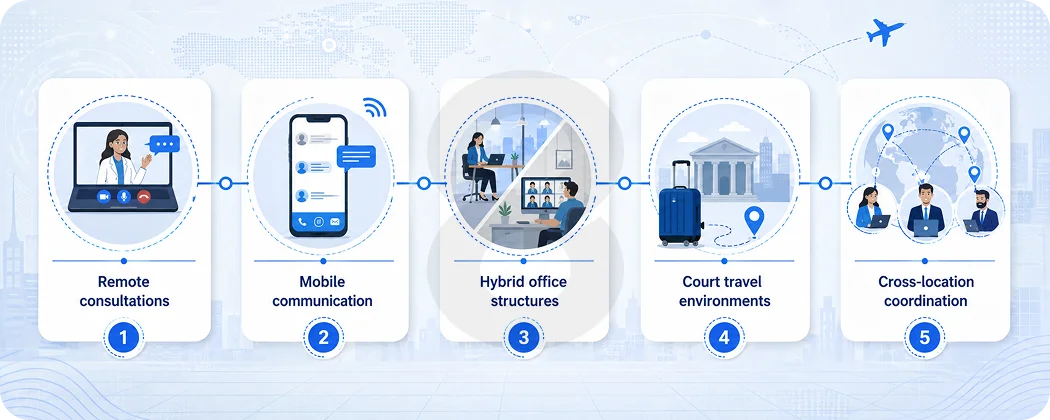
Teams now work through:
- Remote consultations
- Mobile communication
- Hybrid office structures
- Court travel environments
- Cross-location coordination
That shift changed operational expectations completely.
This is exactly why stronger mobile app development strategy now directly affects legal workflow efficiency.
Because if attorneys and staff cannot access systems efficiently through mobile environments, productivity slows down almost immediately.
According to the American Bar Association, legal professionals increasingly prioritize cloud-based and mobile-accessible legal technologies as firms modernize operational infrastructure.
That matters because accessibility now influences operational responsiveness heavily across legal environments.
AI Is Quietly Reshaping Legal Operations Already
A lot of firms still think AI belongs mostly to large enterprise organizations.
That assumption is changing quickly.
Through proper AI development, legal platforms can already:
- Organize documents faster
- Improve search accuracy
- Automate repetitive workflows
- Assist with reporting visibility
- Improve internal efficiency
And through structured AI integration, these systems improve workflows quietly without disrupting legal operations unnecessarily.
That matters because administrative overload remains one of the biggest operational challenges across growing firms.
At 8ration, AI-supported legal systems are usually implemented carefully so operational improvements feel practical instead of overwhelming for legal teams.
Security Became Non-Negotiable
This is another major factor pushing firms toward custom systems increasingly. Legal businesses handle highly sensitive information constantly.
That includes:
- Client records
- Financial information
- Confidential case documents
- Internal communications
- Regulatory compliance data
Generic software platforms sometimes create limitations around visibility and control. Custom Case Management Software allows firms to structure security around their operational requirements directly instead of depending entirely on third-party limitations. And operational trust matters heavily inside legal environments.
Read More: Pricing Models for Software Services: Fixed vs. Hourly Rates Explained
What Strong Legal Case Management Systems Actually Improve
Business Area |
Improvement |
Why It Matters |
| Workflow Management | Faster operations | Better efficiency |
| Client Communication | Improved visibility | Stronger trust |
| Reporting | Real-time oversight | Better decision-making |
| Accessibility | Mobile flexibility | Faster responsiveness |
| Security | Stronger data control | Compliance support |
Why Integrations Matter More Than Most Firms Expect
Modern law firms rely on multiple systems daily.
That includes:
- Billing platforms
- Communication tools
- Document systems
- CRM environments
- Scheduling systems
If those systems stay disconnected, operational inefficiency grows everywhere quietly. This is why stronger Case Management Software increasingly focuses on integration architecture instead of isolated functionality alone.
Connected systems improve workflow visibility naturally. Visibility usually improves operational consistency much faster than firms expect.
Read More: Top 10 CRM Software Platforms of 2026
Building Custom Software Does Not Mean Building Everything From Scratch
A lot of firms misunderstand this completely. Custom legal platforms do not necessarily mean rebuilding every operational system manually.
Modern development strategies often combine:
- Custom workflow layers
- Third-party integrations
- Secure cloud infrastructure
- AI-supported automation
- Mobile accessibility systems
That creates operational flexibility without forcing businesses into unnecessary complexity. And the goal is not building “more software. The goal is building systems that fit the firm properly operationally.
Read More: What is a Proof of Concept in Software Development
How the 8ration Team Approaches Legal Software Systems
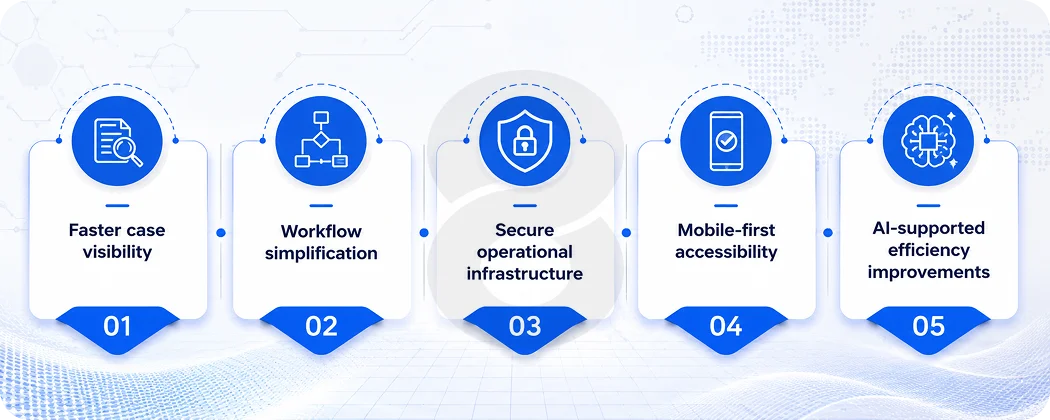
One thing the 8ration team focuses on heavily is workflow realism.
A lot of legal platforms look technically impressive but create friction during everyday operations.
That usually happens because the system was designed around features instead of how legal teams actually work daily.
Instead, the focus generally stays centered around:
- Faster case visibility
- Workflow simplification
- Secure operational infrastructure
- Mobile-first accessibility
- AI-supported efficiency improvements
The goal is not simply launching another legal platform.
The goal is to create systems that quietly improve operational clarity while reducing unnecessary administrative pressure across the firm. That difference affects adoption much more than most businesses initially realize.
Read More: How to Hire a Software Development Team: A Step-by-Step Guide
If Your Legal Team Still Depends on Workarounds Constantly, The System Is Probably Limiting Growth Already
A lot of firms normalize operational inefficiencies because they develop gradually over time. Manual updates become normal. Disconnected communication becomes normal. Administrative overload becomes normal. But those inefficiencies quietly affect productivity, client experience, and operational scalability much more than firms initially realize.
Strong Case Management Software improves visibility, operational clarity, workflow efficiency, and long-term flexibility across the entire legal environment. And right now, that matters more than ever because legal operations continue becoming increasingly digital every year.
Final Thoughts
The real question is not whether buying or building legal software is universally better. The real question is whether the system actually supports how your firm operates long term. Because modern legal businesses increasingly depend on operational efficiency, connected workflows, scalability, and client accessibility far beyond traditional administrative systems.
Strong Case Management Software improves communication, visibility, efficiency, and scalability simultaneously because everything inside legal operations connects together operationally. They are building stronger operational systems underneath that expertise too.
Because modern legal efficiency now depends heavily on how intelligently the infrastructure behind the firm actually operates.