


Most media companies still think their biggest challenge is content competition. That is only part of the problem now. The bigger issue is that audiences no longer compare your platform only against direct competitors. They compare your experience against every fast, personalized, frictionless digital platform they already use every day. That changes everything.
Because even strong content struggles when the surrounding experience feels outdated, slow, disconnected, or frustrating to navigate, that is exactly why modern entertainment software solutions became so important across media businesses in 2026.
At 8ration, entertainment-focused platforms are usually designed around audience behavior first because modern engagement patterns changed dramatically across digital media environments already.
Entertainment Platforms Are No Longer Just Streaming Apps
This is one of the biggest shifts happening right now. Entertainment platforms used to focus mostly on content distribution. Now they function more like interactive ecosystems.
That includes:
- Personalized recommendations
- Cross-platform continuity
- Live engagement systems
- Real-time analytics
- Community interaction
- Subscription infrastructure
- AI-driven content visibility
That complexity means media businesses now rely heavily on scalable entertainment software solutions instead of isolated publishing systems. Because operational consistency directly affects audience retention now.
Retention became one of the most important metrics across entertainment businesses today.
Why Audiences Quietly Leave Entertainment Platforms
A lot of companies assume users leave because content quality declines. That happens sometimes. Usually, the experience itself creates the bigger problem.
For example:
- Navigation feels overloaded
- Recommendations feel irrelevant
- Streaming performance becomes inconsistent
- Search systems barely function properly
- Mobile usability feels frustrating
None of those issues sound catastrophic individually. Together, they quietly destroy engagement over time.
That is why stronger software development planning matters heavily for entertainment businesses now, because the platform itself directly shapes how audiences consume content daily.
Traditional Media Systems vs Modern Entertainment Platforms
Area |
Traditional Systems |
Modern Entertainment Platforms |
| Content Delivery | Static publishing | Personalized streaming |
| Audience Engagement | Passive viewing | Interactive experiences |
| Accessibility | Limited devices | Cross-platform continuity |
| Analytics | Delayed reporting | Real-time audience insights |
| Monetization | Basic subscriptions | Adaptive revenue ecosystems |
Mobile Consumption Completely Changed Entertainment Behavior
This shift changed the entire industry quietly. People no longer “sit down to consume entertainment” the same way consistently anymore. Content now happens during:
- Commutes
- Breaks between tasks
- Travel
- Waiting periods
- Short attention windows throughout the day
That means mobile optimization directly affects audience retention now. This is exactly why stronger mobile app development strategy became critical across entertainment businesses.
Because users expect:
- Instant playback
- Seamless navigation
- Fast loading
- Personalized feeds
- Continuous accessibility
And honestly, if the mobile experience feels weak, audiences notice immediately even if the content itself remains strong. According to Statista, mobile devices now account for more than 60% global digital media consumption of across multiple entertainment categories. That statistic matters because it confirms how aggressively audience behavior already shifted toward mobile-first entertainment environments.
Read More: How to Create a Streaming App Like Netflix: A Detailed Guide
AI Is Quietly Running Modern Entertainment Platforms Already
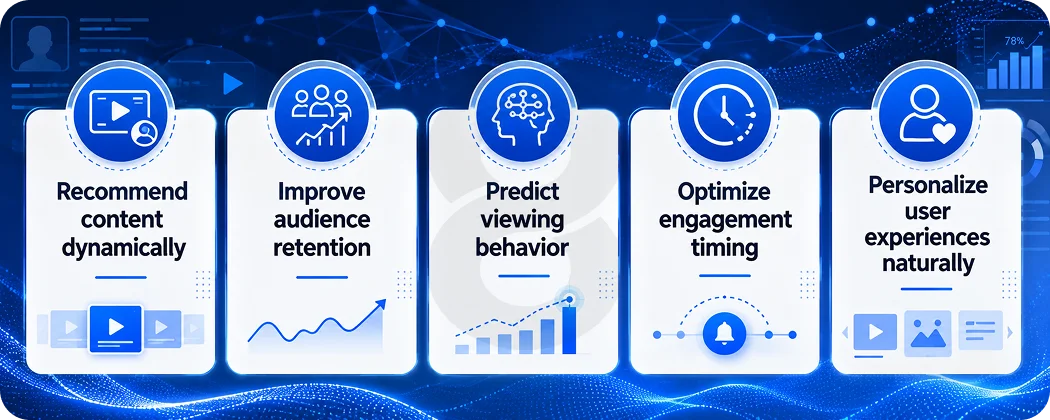
A lot of users probably do not even realize how much AI shapes their entertainment experience daily now. Through proper AI development, entertainment platforms can already:
- Recommend content dynamically
- Improve audience retention
- Predict viewing behavior
- Optimize engagement timing
- Personalize user experiences naturally
And through structured AI integration, these systems improve the platform quietly without making the experience feel artificially engineered.
That matters because personalization now directly influences whether audiences continue engaging consistently.
At 8ration, AI-supported entertainment systems are usually implemented gradually so recommendation behavior feels smooth instead of aggressively algorithmic.
Why Scalable Infrastructure Matters More Than Ever
A lot of entertainment companies underestimate operational pressure early. Everything works fine initially.
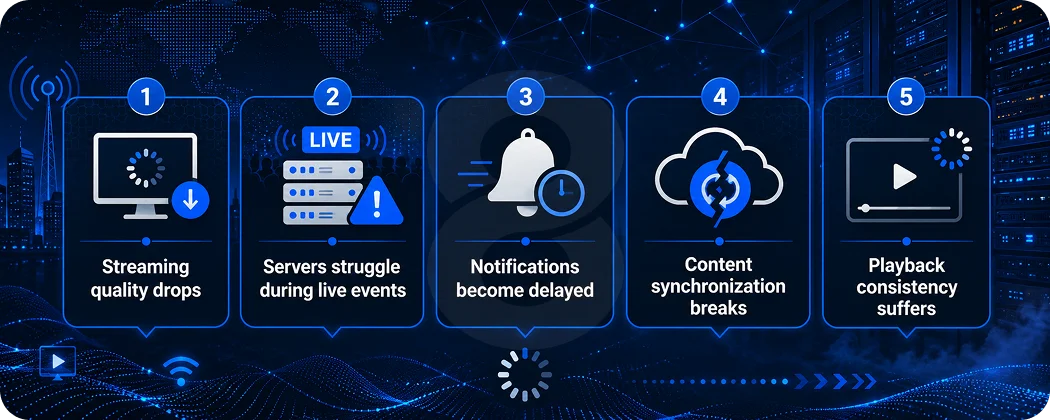
Then traffic increases slightly and suddenly:
- Streaming quality drops
- Servers struggle during live events
- Notifications become delayed
- Content synchronization breaks
- Playback consistency suffers
That usually means the infrastructure underneath the platform was not designed properly for long-term scale.
This is exactly where stronger enterprise app development architecture becomes extremely important because modern entertainment systems need operational stability under unpredictable audience behavior.
And users are far less forgiving now when platforms become unreliable.
Entertainment Platforms Are Becoming Data Businesses Too
This is another major shift happening quietly underneath the industry.
Media companies now depend heavily on behavioral data to improve:
- Retention
- Recommendations
- Monetization
- Audience segmentation
- Engagement timing
That changes how platforms need to operate entirely.
Strong entertainment software development now combine:
- Content systems
- Analytics environments
- Subscription infrastructure
- AI-driven recommendation engines
- Audience behavior tracking
Because modern media companies no longer survive only through content creation alone. They survive through audience understanding too.
Read More: Why Media Companies Are Losing Audiences Without the Right Entertainment Software
What Strong Entertainment Platforms Actually Improve
Business Area |
Improvement |
Why It Matters |
| Audience Retention | Better engagement | Longer subscription cycles |
| Accessibility | Easier content access | Higher daily usage |
| Monetization | Smarter revenue models | Improved profitability |
| Analytics | Real-time audience insights | Better strategic decisions |
| User Experience | Lower friction | Stronger platform loyalty |
Why User Experience Quietly Controls Monetization
A lot of media companies still separate product experience from revenue strategy. That separation does not really exist anymore.
Because if users struggle navigating the platform, subscriptions become harder to maintain naturally. If discovery feels weak, engagement drops. If playback feels inconsistent, retention falls quickly.
That is why stronger entertainment software solutions directly influence monetization performance now because user satisfaction quietly affects almost every revenue metric underneath.
And honestly, most subscription losses start with experience frustration before users consciously decide to cancel.
Read More: Why Your Print Magazine Is Losing Readers and How a Digital App Fixes It
The Shift Toward Interactive Entertainment Ecosystems
Static content delivery is becoming less dominant gradually.
Audiences increasingly expect:
- Interactive experiences
- Community engagement
- Personalized environments
- Adaptive recommendations
- Multi-device continuity
That changes how entertainment businesses structure their digital ecosystems completely. This is also where stronger ecommerce app development strategy becomes relevant because entertainment platforms increasingly integrate:
- Merchandise systems
- Event access
- Premium memberships
- Creator economies
- Subscription upgrades
Everything is becoming more connected operationally.
How the 8ration Team Approaches Entertainment Platforms
One thing the 8ration team focuses on heavily is reducing audience friction. A lot of entertainment products overload users with complexity while trying to increase engagement. That usually creates the opposite effect.
Instead, the focus generally stays centered around:
- Seamless user journeys
- Scalable streaming architecture
- Personalized recommendation systems
- Mobile-first usability
- AI-supported audience engagement
The goal is not simply launching another content platform. The goal is creating an environment that audiences naturally continue returning to without feeling overwhelmed or frustrated operationally, that difference usually affects retention more than content quantity alone.
Declining Engagement? Check Your Platform
A lot of media companies assume declining engagement only reflects changing audience behavior. That is only part of the picture. The bigger issue is usually that the platform experience no longer matches what users expect digitally anymore. If the system feels slow, outdated, inconsistent, or difficult compared to modern entertainment platforms, audiences notice immediately even if they never explain it directly.
Strong entertainment software solutions improve accessibility, personalization, scalability, and operational consistency across the entire audience experience. And right now, that matters more than ever because digital expectations continue increasing aggressively every year.